Dating can be exciting, but the early stages also reveal subtle warning signs that hint at future problems. Recognising these red flags can save emotional energy and help you make smarter decisions about who to invest in. In this article, we explore five key patterns that often emerge in early dating: ghosting and avoidant behaviour, nonchalant attitudes, commitment issues, performative male behaviour, and the “pick me girl” phenomenon. Each section breaks down the psychology behind these behaviours, explains why they happen, and offers insights to navigate modern dating more consciously and safely.
Dating can be exciting, but the early stages also reveal subtle warning signs that hint at future problems. Recognising these red flags can save emotional energy and help you make smarter decisions about who to invest in. In this article, we explore five key patterns that often emerge in early dating: ghosting and avoidant behaviour, nonchalant attitudes, commitment issues, performative male behaviour, and the “pick me girl” phenomenon. Each section breaks down the psychology behind these behaviours, explains why they happen, and offers insights to navigate modern dating more consciously and safely.
1. Ghosting and Avoidant Behaviour: Why We Pull Away and 3 Ways to Heal from It
Ghosting — when someone suddenly disappears without explanation — has become a common experience in modern dating. This behaviour often reflects underlying avoidant patterns, where individuals struggle with emotional intimacy and pull away when connections deepen. The impact of ghosting can be confusing and emotionally painful, leaving you questioning what went wrong. This article explores the psychology behind ghosting, why people choose to vanish instead of communicating, and how to heal from its emotional aftermath. By recognising avoidant behaviour early, you can protect your well-being and approach new connections with clarity and confidence.
2. 5 Signs of a Nonchalant Person: Understanding Nonchalant vs Chalant — Why “Playing It Cool” in Dating Might Harm
Nonchalance has become a popular dating strategy, especially in app-driven culture. Being calm, detached, or “playing it cool” may seem attractive at first, but it can prevent the formation of genuine emotional bonds. This article identifies five key signs of a nonchalant dater, explores how nonchalant behaviour differs from chalant — warm, engaged, and responsive — and explains why “playing it cool” may harm relationship development. Understanding these dynamics helps you spot subtle disengagement early and prioritise partners who are emotionally present, ultimately fostering healthier and more fulfilling romantic connections.
3. 5 Reasons Causing Commitment Issue in Dating: What It Is, Why It’s So Common, and How to Navigate It
Commitment issues are increasingly common in modern dating, leaving many people stuck in cycles of intimacy without long-term security. If someone enjoys closeness but avoids labels, planning, or emotional responsibility, it may signal deeper challenges with commitment. This article explores five key reasons behind commitment issues, including fear of vulnerability, past trauma, and cultural influences like dating apps and individualism. It also provides strategies for navigating dating someone with commitment hesitations. Understanding these patterns early helps you make informed choices, set healthy boundaries, and recognise when a relationship may not meet your long-term needs.
4. The Performative Male: Why Some Men Act Woke for Love in Dating (Explained with Psychology)
In today’s dating world, you may encounter the “performative male” — a man who appears progressive, emotionally aware, or feminist on the surface, but whose actions may be more about social approval than genuine sensitivity. This article explains the psychology behind performative behaviour, how men may consciously craft an image of emotional openness, and why these dynamics matter in early dating. By recognising performative tendencies, you can distinguish between authentic emotional awareness and performance for attraction. Understanding these cues helps you avoid disappointment and focus on partners whose values, empathy, and behaviour are consistent and sincere.
5. Pick Me Girl: The Psychology Behind Seeking Validation in Modern Femininity
The “pick me girl” phenomenon highlights behaviours where some women seek male validation by downplaying other women or emphasising how “different” they are. This behaviour often reflects deeper issues around self-esteem, belonging, and social conditioning, shaped by cultural and digital influences. This article explores the psychology behind the “pick me girl” persona, why it emerges in dating culture, and how it impacts early romantic interactions. Understanding this dynamic helps you recognise underlying motivations, set healthier boundaries, and navigate dating with more awareness. Recognising these patterns also encourages self-reflection about the influence of social validation on relationship choices.
Have You Ever Noticed That Early Dating Can Be Emotionally Draining?
Do you often find yourself in the first stages of dating where—
You constantly try to interpret your partner’s behaviour, yet feel confused or unsettled?
Subtle signs of withdrawal, nonchalance, or mixed signals leave you anxious or questioning yourself?
You wonder: “Am I reading this wrong—or is something off?”
If this sounds familiar, what you’re experiencing may not just be early dating jitters—it could be related to early dating red flags that signal potential relational issues. Recognising these patterns early helps you protect your emotional energy and make more conscious choices in dating.
When it comes to chalant, the psychology is worth a closer look — we cover it in a dedicated article.
There's more to pick me girl than the surface suggests — we unpack the psychology in another piece.
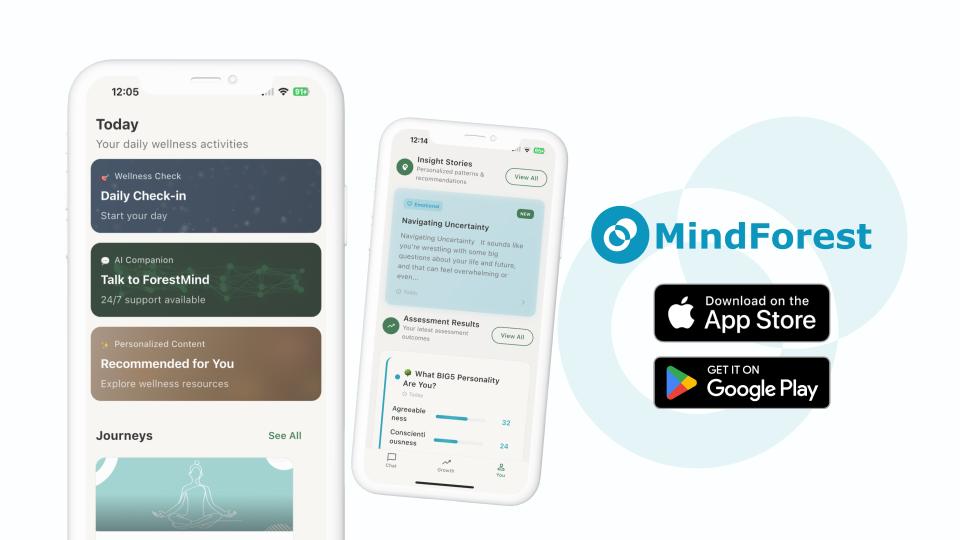
MindForest App: Helping You Spot Early Dating Red Flags While Protecting Your Emotional Well-Being
Being aware of red flags doesn’t mean becoming suspicious or cynical. It’s about recognising patterns, understanding your reactions, and navigating dating with clarity.
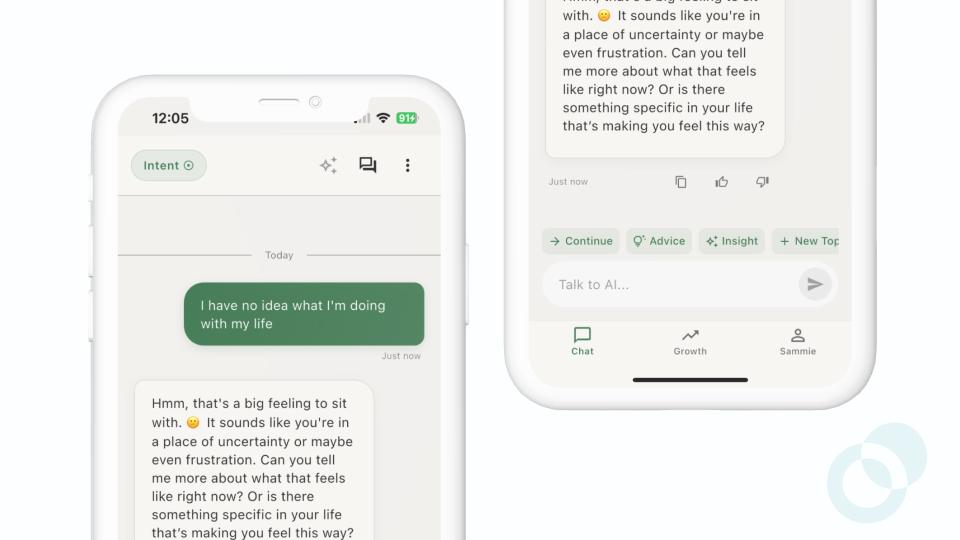
🌿 ForestMind AI
Identifies recurring patterns in early dating, helping you distinguish between healthy curiosity and potential warning signs.
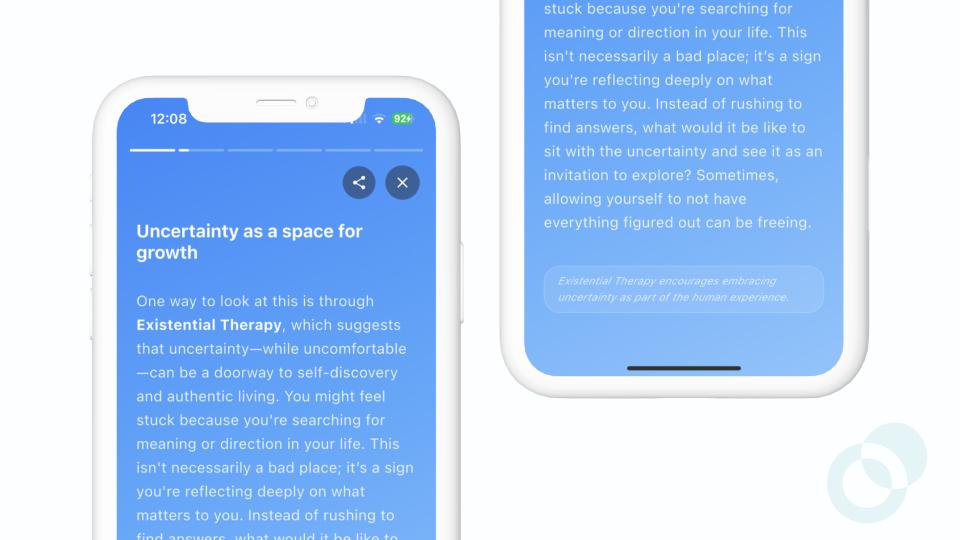
🪞 Insight Journal
Tracks moments when you feel drained, anxious, or uneasy, highlighting possible early red flags.
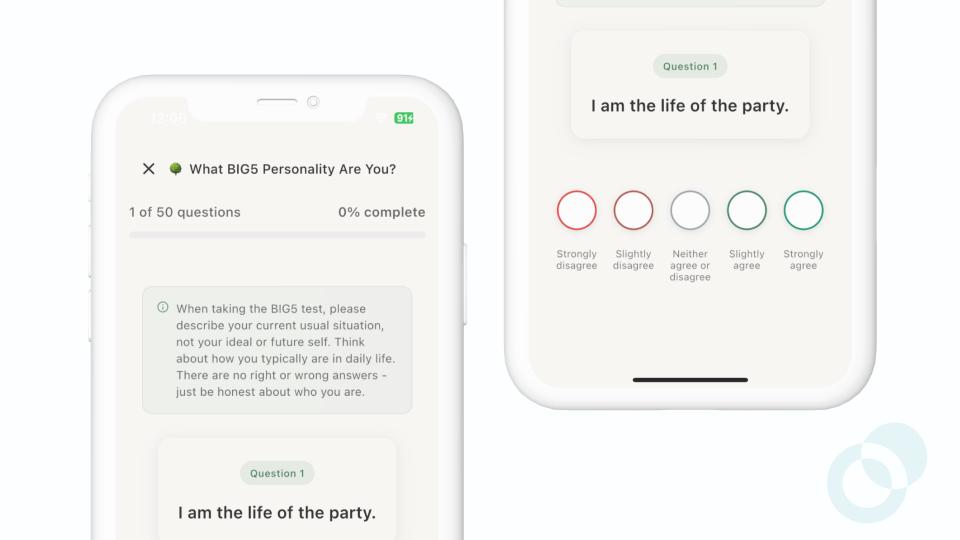
🧠 Psychological Assessments
Gain insight into your attachment style, empathy patterns, and emotional boundaries for healthier dating decisions.
💫 Download MindForest App today
Start recognising early dating red flags and learn how to care for yourself while exploring new connections.
Discover practical psychology tips you can apply to your everyday life. From building resilience to improving relationships and finding work-life balance, our blog brings expert-backed insights that help you grow.
Personal Branding Is Self-Knowledge, Not Self-Promotion: A Psychology-Based Guide
Personal branding is not packaging — it is the impression your values leave on other people. A psychology-based guide to what a personal brand actually is, why it matters in an unstable job market, and four steps to build one without pretending to be someone else.
Age Gap in Dating: Does It Actually Matter? Here's What the Research Says - 5 Things to Consider Before Having a Relationship
So, You're Dating Someone Older (or Younger) — and People Have Opinions
Let's be honest. The moment someone finds out there is a notable age gap in your relationship, the questions start. "How old is he?" "Isn't that a bit weird?" "What do you two even have in common?" Whether you are 23 dating a 35-year-old, or 30 and seeing someone who is 42, you have probably felt the weight of other people's opinions before you have even had a chance to figure out how you feel yourself.
Here is the thing: age gap relationships are far more common than people make them sound, and the research on them is a lot more nuanced than your group chat might be. This article is here to give you the honest psychological picture — the real concerns, the genuine green flags, and the questions worth asking yourself before you let someone else's raised eyebrow become your own inner doubt.
5 Signs of Love Bombing: When Someone's "Perfect Partner" Energy Is Actually a Red Flag
Picture this. You match with someone, and within 48 hours they're texting you paragraphs. By week two, they're calling you their soulmate. By week three, they've already booked a couples' trip and introduced you to their mum. Your friends are screaming "run" whilst your brain is flooded with dopamine and your heart is doing something completely unhinged.
Here is the plot twist nobody tells you: that overwhelming, electric, "finally someone who gets me" feeling? It might not be romance. It might be love bombing — and once you know what to look for, you literally cannot unsee it.
This article breaks down exactly what love bombing is, why your brain falls for it every single time, and what to actually do if you think you're in the middle of it. No fluff. Just the honest, researched stuff you actually need.