The performative male has become a familiar character in today’s dating scene: a man who appears progressive, emotionally intelligent, and feminist—at least on the surface.
The Rise of the “Performative Male” in Modern Dating
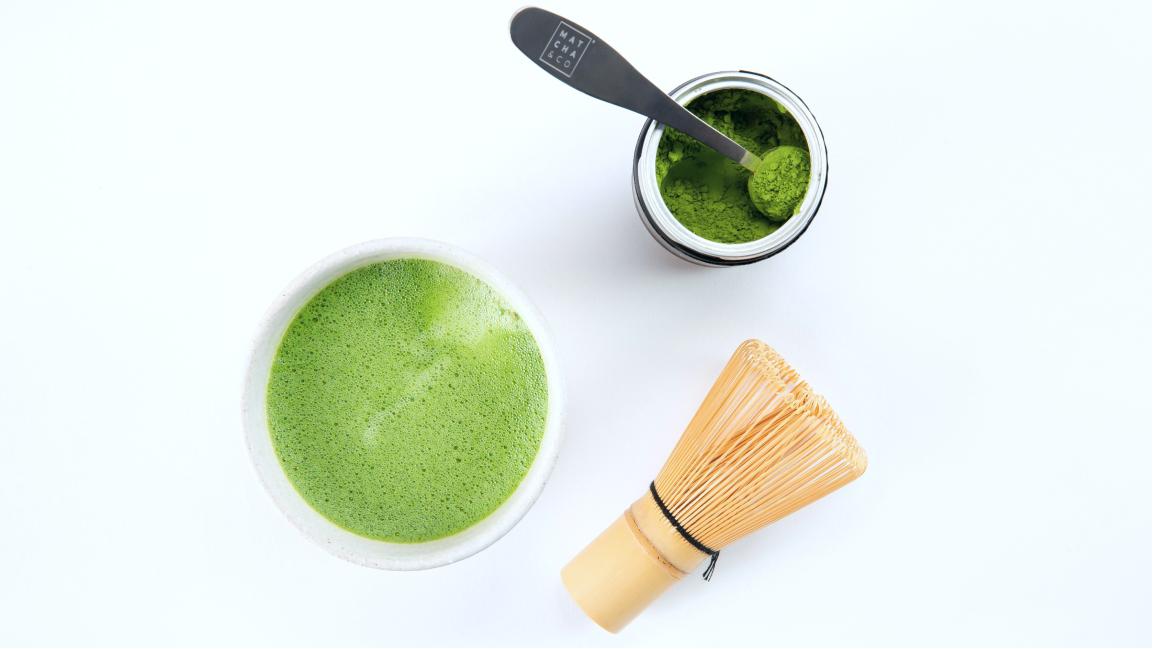
You’ve probably seen him somewhere—on a dating app profile holding a bell hooks book, or on TikTok talking about “toxic masculinity” while sipping an iced matcha. The performative male has become a familiar character in today’s dating scene: a man who appears progressive, emotionally intelligent, and feminist—at least on the surface.
But what’s really going on beneath the curated exterior? Is he genuinely self-aware, or just performing sensitivity to win approval and affection? Psychologically, this phenomenon reveals fascinating tensions between authenticity, social reward, and self-presentation in modern masculinity.
According to gender theorist Judith Butler (1988), gender itself is performative—it’s not something we are, but something we do repeatedly through our words, gestures, and behaviours. The performative male takes this to the next level: he performs the act of being non-performative, carefully crafting an image of emotional openness that fits today’s cultural scripts of the “good man.”
Why Men Feel Pressured to Perform
Modern men are caught in a confusing double bind. On one hand, traditional masculinity—stoic, dominant, emotionally restrained—is being questioned. On the other, men are now encouraged to show vulnerability and empathy. But instead of learning these traits authentically, some adopt them as performance tools.
R. W. Connell’s (2005) concept of hegemonic masculinity explains how certain versions of manhood dominate others. Today, the new “hegemonic ideal” might not be the macho man, but the emotionally articulate one. And that can lead to performance anxiety—not in the bedroom, but in the performance of personality.
In dating contexts, this can mean men highlight “safe” feminist attitudes or share mental health memes, not always because they’ve done the inner work, but because they know it’s attractive and socially rewarded. Social media amplifies this pressure by rewarding emotional exhibition over quiet introspection (Goffman, 1959).
Performative Masculinity on Dating Apps
Dating apps have turned self-presentation into a psychological game. Men quickly learn that signalling emotional literacy or feminist awareness gains more matches than gym selfies alone. The result? Profiles filled with “therapy talk” and “allyship aesthetics.”
A 2022 qualitative study on male identity found that social approval and belonging often drive men’s gender performances, especially in digital spaces (Liu et al., 2022). The performative male, then, becomes a by-product of algorithmic attraction—optimising himself not for connection, but for perception.
The irony? By curating a version of himself that looks authentic, he may actually become less emotionally genuine. It’s a classic case of impression management—appearing sincere, even when sincerity itself becomes a strategy (Goffman, 1959).
The Psychology Behind It: Fear, Validation, and Control
At its core, the performative male phenomenon stems from fear of rejection and desire for control. For some men, embodying a progressive persona helps manage anxiety around being disliked or labelled “toxic.” By performing ideal traits, they gain social and romantic validation while avoiding the vulnerability that true emotional openness requires.
From a psychological standpoint, this performance is a form of self-presentation coping—a strategy for maintaining self-esteem in uncertain relational contexts (Leary & Kowalski, 1990). Instead of authentic self-disclosure, they display a controlled vulnerability, rehearsed and safe.
This also ties into what researchers call “performative allyship”—expressing socially desirable beliefs without the deeper behavioural or emotional commitment (Moss-Racusin et al., 2018). The result is emotional mimicry: it looks like empathy, but it feels hollow over time.
When Performance Replaces Presence
In relationships, the cracks eventually show. The performative male may start strong—listening, validating, saying all the right things—but emotional intimacy exposes whether those gestures are real or rehearsed.
Psychologically, constant self-monitoring (trying to appear “perfectly evolved”) can cause cognitive dissonance—a gap between self-image and inner reality (Festinger, 1957). That inner tension often leads to emotional burnout, detachment, avoidance, nonchalance or ghosting when genuine intimacy demands vulnerability that can’t be scripted.
Meanwhile, partners may sense the performance. Emotional congruence—the alignment between what we say and what we feel—is what builds trust. When someone’s “wokeness” feels like an act, it creates unease. You can’t build intimacy with a mask, even if it’s a “sensitive” one.
Moving Beyond Performance: Towards Authentic Masculinity
So, what’s the alternative? Authenticity doesn’t mean rejecting self-improvement—it means grounding change in self-awareness rather than approval. Here are three reflections for moving beyond performance:
1) Do the inner work, not the outer signalling
Therapy, emotional regulation, and reflective conversations are powerful—but only when done for self-growth, not social currency.
2) Let go of the need to appear “perfectly progressive”
Real connection comes from being present and imperfect, not rehearsed. Vulnerability isn’t a performance—it’s the courage to be seen, flaws and all.
3) Redefine masculinity as practice, not posture
As Butler (1988) reminds us, all gender is performed—but authenticity lies in aligning those performances with genuine values, not borrowed aesthetics.
In the end, what partners crave isn’t the “performative male” who says the right things—it’s the man who feels them, lives them, and is still open to learning.
Final Thoughts
The performative male might be a meme, but he reflects a deeper societal shift: men learning to express care, empathy, and awareness in a world where these traits were once suppressed. The key is intention. When performed out of fear or strategy, these traits ring hollow. When lived out of curiosity and connection, they become the seeds of true emotional maturity and commitment.
So next time you meet someone quoting feminist theory on a date, don’t rush to judge—or to perform yourself. Ask: Is this a performance, or is it a practice? Because love, at its healthiest, isn’t about the perfect act. It’s about showing up, unfiltered, and staying when the script runs out.
See Beyond the Performative Male: MindForest Helps You Identify Authenticity from Illusion
In the modern dating world, authenticity has become rare currency. Some men appear emotionally intelligent and self-aware — but are they truly genuine, or simply performing awareness to impress?
With MindForest App, you’ll learn to recognise emotional sincerity, understand attraction patterns, and build connections that feel real.
1️⃣ Awareness — ForestMind AI Helps You Read Beneath the Surface
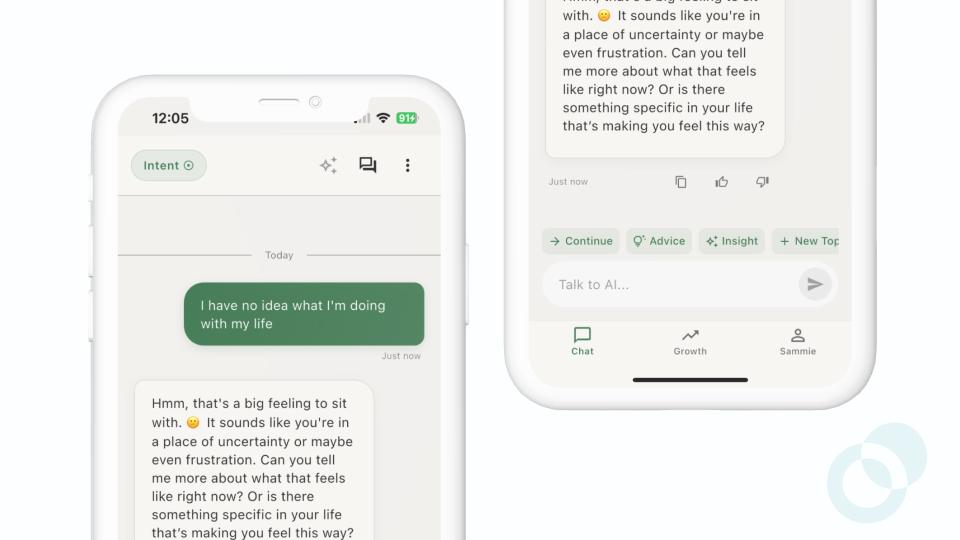
When charm feels rehearsed or too good to be true, ForestMind AI gently analyses your interactions, revealing the subtle emotional cues behind the performance.
2️⃣ Reflection — Insight Journal Brings Clarity to Your Feelings
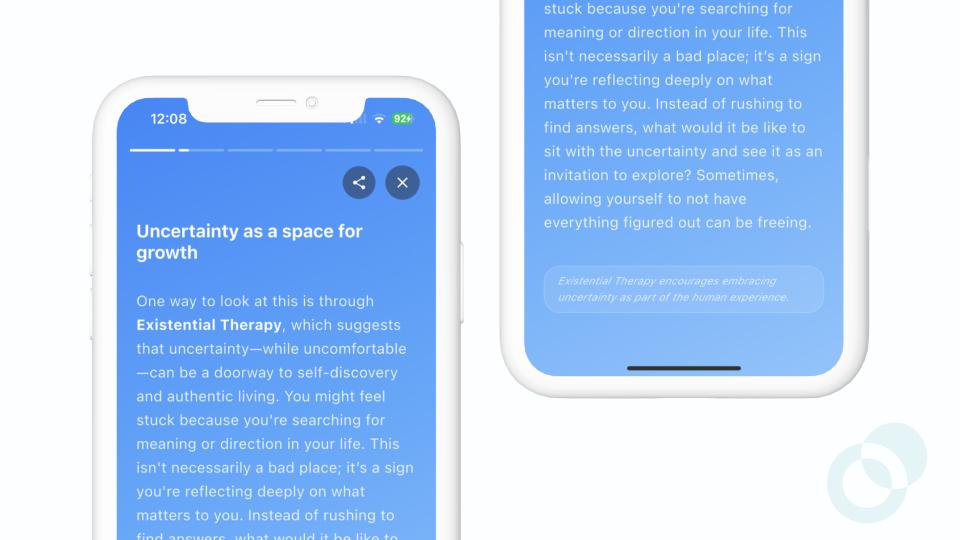
Write about how each encounter made you feel — before, during, and after. As you record your thoughts, patterns emerge: what feels authentic, and what feels like an act.
3️⃣ Growth — Psychological Assessment Reveals Your Relationship Blueprint
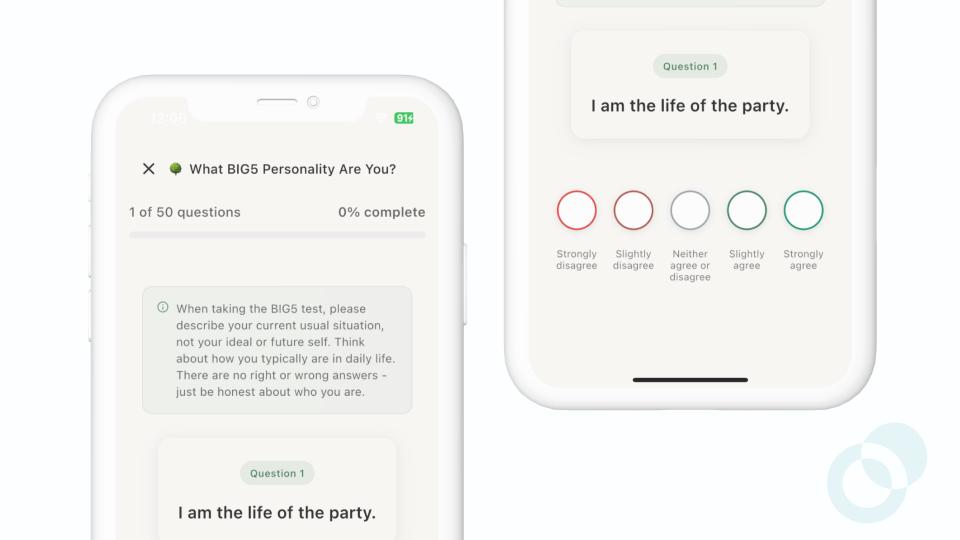
Discover your attachment style, emotional triggers, and connection needs. Understand why certain personas attract you — and how to choose relationships that align with your genuine self.
🌿 Download MindForest App today — start your journey from illusion to authenticity, and connect with love that’s real.
ghosting is something we've explored at length — the full discussion lives in another article.
References
Butler, J. (1988). Performative acts and gender constitution: An essay in phenomenology and feminist theory. Theatre Journal, 40(4), 519–531. https://doi.org/10.2307/3207893
Connell, R. W. (2005). Masculinities (2nd ed.). University of California Press.
Festinger, L. (1957). A theory of cognitive dissonance. Stanford University Press.
Goffman, E. (1959). The presentation of self in everyday life. Doubleday.
Leary, M. R., & Kowalski, R. M. (1990). Impression management: A literature review and two-component model. Psychological Bulletin, 107(1), 34–47. https://doi.org/10.1037/0033-2909.107.1.34
Liu, H.-Y., Han, H.-M., Chao, C.-Y., Chen, H.-F., & Wu, S.-M. (2022). Performative masculinity: A meta-ethnography of experiences of men in academic and clinical nursing. International Journal of Environmental Research and Public Health, 19(22), 14813. https://doi.org/10.3390/ijerph192214813
Moss-Racusin, C. A., et al. (2018). Engaging men in gender initiatives: What works and why. Harvard Business Review, 96(2), 124–132.
Want to understand yourself better? Download MindForest — a psychology-based AI self-discovery app to explore your inner world and manage emotions, anytime.
Discover practical psychology tips you can apply to your everyday life. From building resilience to improving relationships and finding work-life balance, our blog brings expert-backed insights that help you grow.
Personal Branding Is Self-Knowledge, Not Self-Promotion: A Psychology-Based Guide
Personal branding is not packaging — it is the impression your values leave on other people. A psychology-based guide to what a personal brand actually is, why it matters in an unstable job market, and four steps to build one without pretending to be someone else.
Age Gap in Dating: Does It Actually Matter? Here's What the Research Says - 5 Things to Consider Before Having a Relationship
So, You're Dating Someone Older (or Younger) — and People Have Opinions
Let's be honest. The moment someone finds out there is a notable age gap in your relationship, the questions start. "How old is he?" "Isn't that a bit weird?" "What do you two even have in common?" Whether you are 23 dating a 35-year-old, or 30 and seeing someone who is 42, you have probably felt the weight of other people's opinions before you have even had a chance to figure out how you feel yourself.
Here is the thing: age gap relationships are far more common than people make them sound, and the research on them is a lot more nuanced than your group chat might be. This article is here to give you the honest psychological picture — the real concerns, the genuine green flags, and the questions worth asking yourself before you let someone else's raised eyebrow become your own inner doubt.
5 Signs of Love Bombing: When Someone's "Perfect Partner" Energy Is Actually a Red Flag
Picture this. You match with someone, and within 48 hours they're texting you paragraphs. By week two, they're calling you their soulmate. By week three, they've already booked a couples' trip and introduced you to their mum. Your friends are screaming "run" whilst your brain is flooded with dopamine and your heart is doing something completely unhinged.
Here is the plot twist nobody tells you: that overwhelming, electric, "finally someone who gets me" feeling? It might not be romance. It might be love bombing — and once you know what to look for, you literally cannot unsee it.
This article breaks down exactly what love bombing is, why your brain falls for it every single time, and what to actually do if you think you're in the middle of it. No fluff. Just the honest, researched stuff you actually need.