In the fast-paced world of modern dating, we’ve traded handwritten letters for "u up?" texts and dinner dates for "Netflix and chill" invites. But while technology has made meeting people easier, it has also birthed a frustrating new phenomenon: breadcrumbing.
n the fast-paced world of modern dating, we’ve traded handwritten letters for "u up?" texts and dinner dates for "Netflix and chill" invites. But while technology has made meeting people easier, it has also birthed a frustrating new phenomenon: breadcrumbing.
Have you ever felt like you’re following a trail of tiny crumbs, hoping they’ll eventually lead to a delicious meal, only to realise the trail never ends—and the feast isn't even in the oven? 🥖 If you’ve been left starving for a real connection while someone teases you with just enough attention to keep you hooked, you’re not alone. Let’s dive into the psychology of breadcrumbing and how to stop settling for the crumbs when you deserve the whole loaf!
What is Breadcrumbing? (And Why It’s More Than Just Flirting) 📱✨
At its core, breadcrumbing is the act of sending out sporadic, flirtatious, but ultimately non-committal signals to keep someone "on the hook." It’s the digital equivalent of a "maybe" that never becomes a "yes."
Think of it as a low-investment strategy. The breadcrumber might "like" an old Instagram photo, send a random emoji at 11 PM, or suggest you "grab a drink soon" without ever actually checking their calendar. According to research, this behaviour is often used to maintain a presence in someone's life just to keep them as a backup option (Navarro et al., 2020).
Unlike ghosting, where the person vanishes into thin air, a breadcrumber stays just visible enough to haunt your notifications and stay relevant in your mind. 👻
The Psychology: Why Does Breadcrumbing Happen? 🧠🔍
Why would someone go to the effort of staying in touch if they don't actually want to date you? It’s rarely about you and almost always about their own internal wiring.
1) The Ultimate Ego Boost 🚀
For many, breadcrumbing is a way to fuel their own self-esteem. Knowing that you’ll reply to their breadcrumb provides an instant hit of dopamine. It’s a way to feel desired and powerful without having to put in any actual work.
Attachment theory plays a massive role here. Individuals with an avoidant attachment style often crave connection but are terrified of true intimacy. Breadcrumbing allows them to enjoy the "high" of romance from a safe distance, avoiding the vulnerability that comes with a real relationship (Silberstein et al., 2022).
3) The "Safety Net" Mentality 🕸️
In a world of endless swiping, some people suffer from "The Paradox of Choice." They don't want to commit to you because they’re worried someone "better" might be one swipe away. Breadcrumbing keeps you in their "waiting room" just in case their other options fall through.
Why Breadcrumbing is Psychological Poison 🧪🚫
While a stray text might seem harmless, the long-term impact on your mental health is anything but.
The Trap of Intermittent Reinforcement 🎰
Breadcrumbing works like a slot machine. Because the "reward" (a text or a date) is unpredictable, your brain becomes addicted to the chase. This is known as intermittent reinforcement. When you finally do hear from them, the relief feels like love, but it’s actually just your nervous system coming down from a spike of anxiety (Drouin et al., 2018).
The Slow Erosion of Self-Worth 📉
Constant breadcrumbing leads to "self-gaslighting." You start wondering: "Maybe I wasn't funny enough?" or "If I look better in my next post, they'll finally ask me out." This internalised blame can lead to serious anxiety and a feeling that you aren't "enough" for a consistent partner.
5 Signs: Are You Being Breadcrumbed? 🚩
1)The "Someday" Invite: They always suggest meeting up but "forget" to pick a day.
2)The Digital Ghost: They are super active on your social media (likes, views) but never actually call or text to have a real conversation. 🤳
3)The Late-Night Ping: You only hear from them when they’re bored, lonely, or looking for validation after hours.
4)Hot and Cold: They are "obsessed" with you for 48 hours and then vanish for two weeks. 🌡️❄️
5)No Progression: You’ve been "talking" for months, but the relationship hasn't moved an inch forward.
4 Ways to Handle Breadcrumbing Like a Pro 👑💪
If you’ve realised you’re being fed crumbs, it’s time to take your seat back at the table. Here’s how to reclaim your power:
1) Call It Out (Gently): Be direct. Try: "I love chatting, but I'm more of a face-to-face person. When are you free to grab that drink you mentioned?" If they dodge the question, you have your answer. 🗣️
2) Stop the "Instant Reply": You don't need to be available for someone who is only half-available for you. Match their energy. If they take three days to reply, don't reply in three seconds. ⏳
3) Set a "Three-Strike" Rule: If they flake or give you a vague "we should hang out" three times without a plan, it's time to move on. ⚾
4) Focus on High-Investment Partners: Look for "Green Flag" energy—people who are consistent, clear about their intentions, and follow through on their promises. ✅
Conclusion: You Deserve the Whole Loaf! 🥖❤️
Breadcrumbing is a frustrating side effect of digital dating, but it doesn't have to be your reality. By recognising the patterns of avoidant attachment and intermittent reinforcement, you can stop the cycle before it drains your energy.
Remember: A real connection doesn't leave you guessing. It leaves you feeling secure. If someone is only giving you crumbs, let them go—you’ve got a whole feast waiting for you elsewhere! 🥂
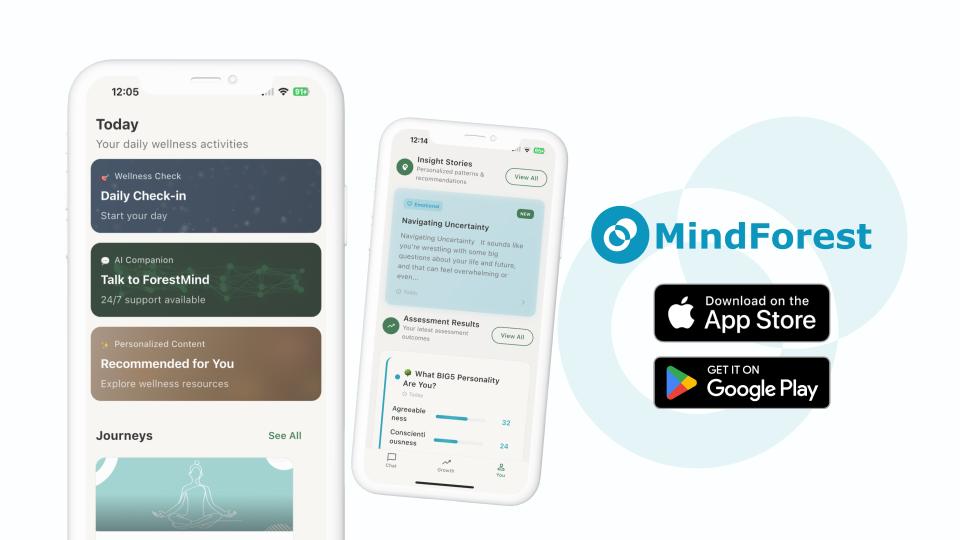
MindForest App: Gently Unravelling the Roots of Breadcrumbing and Relationship Trauma
Becoming aware of breadcrumbing and its emotional toll isn’t just about identifying a bad date — it’s about finally understanding why you might settle for crumbs when you deserve the whole loaf. Healing begins when you can recognise your attachment patterns and why you’ve been drawn to inconsistent connections, without judging yourself for staying.
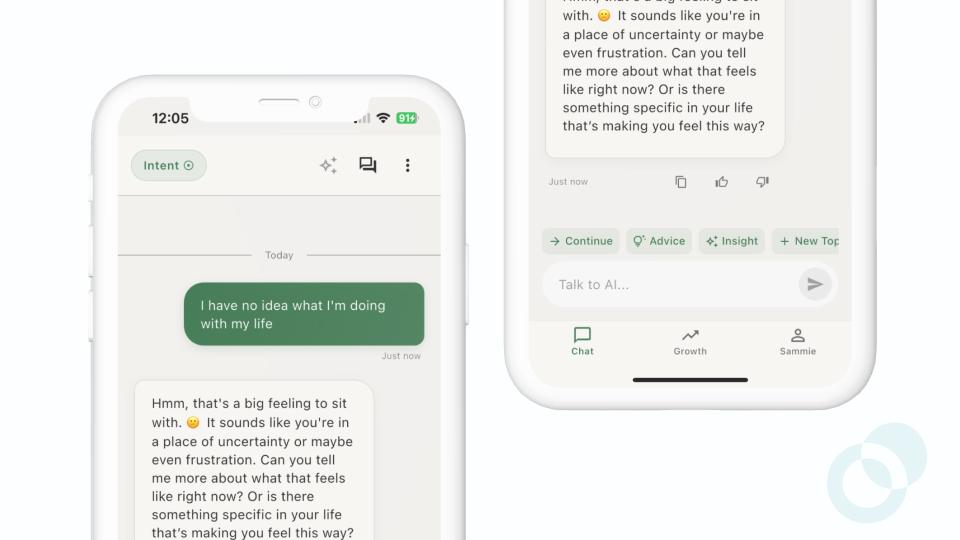
🌿 ForestMind AI
Helps you reflect on why you’ve tolerated breadcrumbing, exploring your emotional triggers and inherited beliefs — so you can see which cravings for validation belong to the past, and which healthy boundaries you’re ready to build.
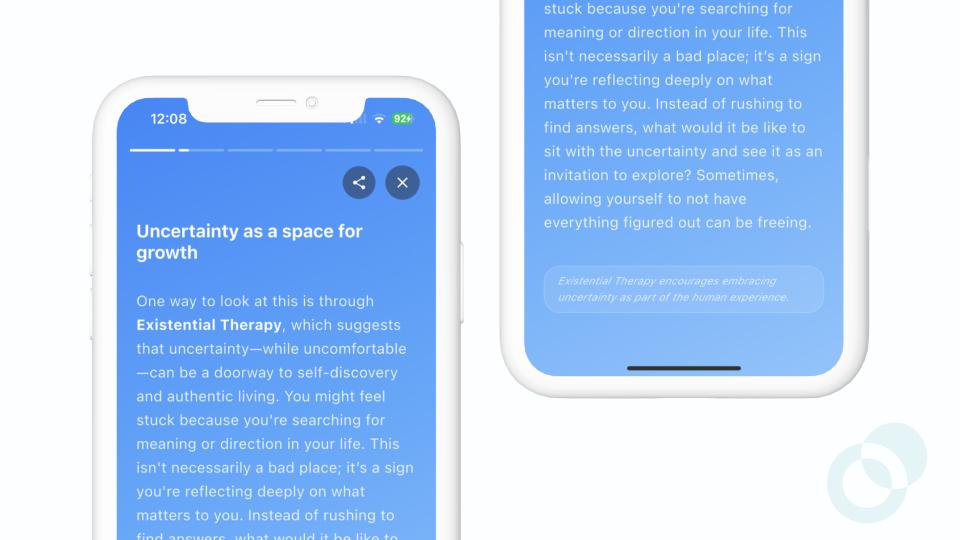
🪞 Insight Journal
Track moments when you feel the "high" of a random text or the "low" of being ignored. By logging these instances, you make the cycle of breadcrumbing visible — allowing you to spot the pattern without forcing conclusions or reliving the rejection.
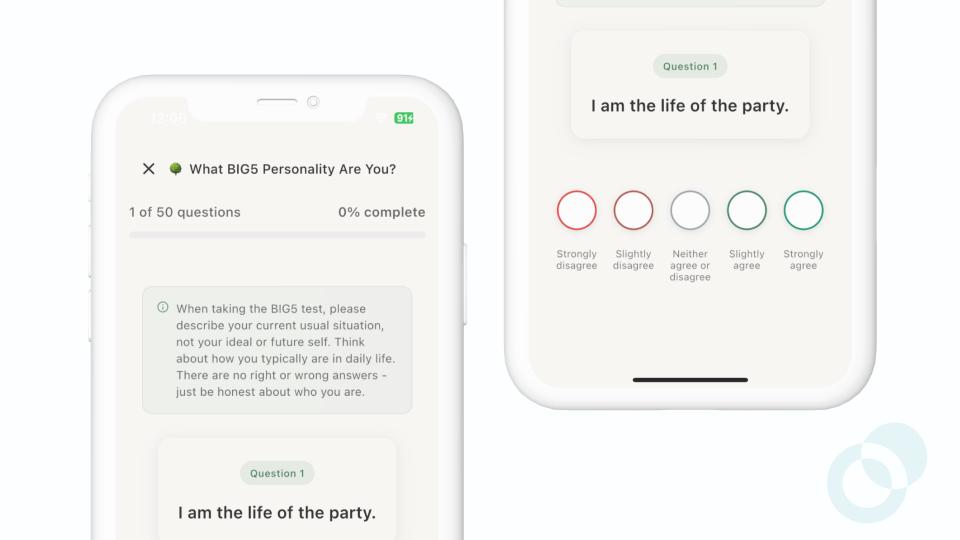
🧠 Psychological Assessments
Explore the connection between breadcrumbing and your attachment style. Our assessments help you understand how your response to inconsistent attention was shaped by early experiences, helping you shift from anxious chasing to secure self-worth — gently and safely.
💫 Download MindForest App today
Begin breaking the cycle of breadcrumbing and emotional unavailability — not by pushing for their attention, but by understanding your own value more deeply.
The story behind avoidant attachment style is worth unpacking — we've done it in a separate article.
If ghosting sounds familiar, you're not alone — and we've gone deeper into the topic elsewhere.
Reference List
Drouin, M., Koppmiller, A., & Miller, D. A. (2018). Attachment, personality, and the "back burner" relationship. Computers in Human Behavior, 82, 11-18.
Navarro, R., Helmond, P., & Schoemaker, C. (2020). The digital dating maze: Examining the psychological impact of ghosting and breadcrumbing on young adults. Journal of Social and Personal Relationships, 37(11), 2850-2871.
Silberstein, S., Courtice, E. L., & Walker, A. (2022). Crumbs of affection: An exploration of breadcrumbing and its relationship with attachment styles in adult dating. Cyberpsychology, Behavior, and Social Networking, 25(4), 215-222.
Want to understand yourself better? Download MindForest — a psychology-based AI self-discovery app to explore your inner world and manage emotions, anytime.
Discover practical psychology tips you can apply to your everyday life. From building resilience to improving relationships and finding work-life balance, our blog brings expert-backed insights that help you grow.
Personal Branding Is Self-Knowledge, Not Self-Promotion: A Psychology-Based Guide
Personal branding is not packaging — it is the impression your values leave on other people. A psychology-based guide to what a personal brand actually is, why it matters in an unstable job market, and four steps to build one without pretending to be someone else.
Age Gap in Dating: Does It Actually Matter? Here's What the Research Says - 5 Things to Consider Before Having a Relationship
So, You're Dating Someone Older (or Younger) — and People Have Opinions
Let's be honest. The moment someone finds out there is a notable age gap in your relationship, the questions start. "How old is he?" "Isn't that a bit weird?" "What do you two even have in common?" Whether you are 23 dating a 35-year-old, or 30 and seeing someone who is 42, you have probably felt the weight of other people's opinions before you have even had a chance to figure out how you feel yourself.
Here is the thing: age gap relationships are far more common than people make them sound, and the research on them is a lot more nuanced than your group chat might be. This article is here to give you the honest psychological picture — the real concerns, the genuine green flags, and the questions worth asking yourself before you let someone else's raised eyebrow become your own inner doubt.
5 Signs of Love Bombing: When Someone's "Perfect Partner" Energy Is Actually a Red Flag
Picture this. You match with someone, and within 48 hours they're texting you paragraphs. By week two, they're calling you their soulmate. By week three, they've already booked a couples' trip and introduced you to their mum. Your friends are screaming "run" whilst your brain is flooded with dopamine and your heart is doing something completely unhinged.
Here is the plot twist nobody tells you: that overwhelming, electric, "finally someone who gets me" feeling? It might not be romance. It might be love bombing — and once you know what to look for, you literally cannot unsee it.
This article breaks down exactly what love bombing is, why your brain falls for it every single time, and what to actually do if you think you're in the middle of it. No fluff. Just the honest, researched stuff you actually need.