This article breaks down the psychology of nonchalance, signs of a nonchalant dater, the debate nonchalant vs chalant, and what truly matters when forming modern relationships.
In today’s app-driven dating culture, being nonchalant — calm, detached, and unfazed, has become a widely used strategy. Some people do it to seem attractive; others do it to protect themselves emotionally. But does being nonchalant actually help you build healthy romantic connections? And how does it compare to being chalant — warm, engaged, responsive?
This article breaks down the psychology of nonchalance, signs of a nonchalant dater, the debate of nonchalant vs chalant, and what truly matters when forming modern relationships.
5 Signs Someone is Being Nonchalant in Dating
If you are unsure whether someone is genuinely laid-back or emotionally unavailable, look for repeated patterns:
1) Irregular or delayed responses with no context
2) Minimal personal disclosure or reluctance to talk about feelings
3) Avoidance of labels, future plans, or emotional topics
4) Hot-and-cold cycles of interest and withdrawal
5) Emphasis on independence to avoid emotional closeness
Consistent patterns are more meaningful than single moments, especially in early dating stages (Bretaña et al., 2022).
3 Reasons of Someone Being Nonchalant — Attachment, Emotion Regulation and Strategy
Three psychological mechanisms commonly produce nonchalant behaviour:
1) Attachment-Based Defence Mechanisms
Avoidant attachment predicts behaviours such as withdrawal, coolness, and reluctance to deepen intimacy (Bretaña et al., 2022). These individuals may genuinely struggle with closeness and commitment, so their nonchalance is less a strategy and more a protective mechanism.
2) Emotional Self-Protection
People who have experienced relational hurt may use emotional detachment as a way to manage vulnerability (Brandão et al., 2019). Suppressing emotional expression can temporarily reduce fear of rejection, even if it limits long-term relational satisfaction (Mikulincer & Shaver, 2019).
3) Strategic Nonchalance (“Playing Hard to Get”)
Some adopt nonchalance intentionally to increase attraction. A recent scoping review found that moderate levels of uncertainty can enhance desirability — but only when interest is still detectable (Houle et al., 2023). Too much distance simply signals disinterest.
Nonchalant vs Chalant — Which One Works Better?
Nonchalant behaviour
Reserved, emotionally low-key
Unpredictable communication
Downplays interest
Maintains independence and distance
Chalant behaviour
Warm, responsive, engaged
Predictable and consistent
Shows clear interest
Supports emotional connection
Both styles can be attractive. Nonchalance creates mystery; chalant behaviour builds safety. However, research repeatedly shows that emotional attunement and consistency — hallmarks of chalant behaviour — are linked to stronger relationship outcomes (Brandão et al., 2019).
Is Being Nonchalant Good for Dating? A Research-Backed Perspective
Potential Benefits
Short-term attraction: Moderate mystery can create curiosity (Houle et al., 2023).
Boundary protection: Nonchalance may help someone heal while assessing a partner safely.
Autonomy: Works well for casual dating where emotional distance aligns with intentions.
Risks and Drawbacks
Weakens intimacy: Emotional suppression and avoidance predict lower relational satisfaction and closeness over time (Mikulincer & Shaver, 2019).
Creates anxiety: Inconsistent behaviour can make partners feel insecure or confused.
Higher dropout rates:Ghosting and sudden withdrawal — behaviours associated with nonchalant patterns — reduce well-being and trust (Šiša, 2024).
Nonchalance may protect you short-term, but it often undermines long-term connection.
How to use Nonchalance Wisely — 5 Practical Tips
1) Be Clear About What You Want
If you seek long-term connection, extreme nonchalance is counterproductive. If you want something casual, being low-key is fine — as long as you’re honest.
2) Balance Calmness With Consistency
Low intensity doesn’t have to mean unpredictability. Confirm plans, communicate clearly, and show respect. Consistency predicts relationship stability (Brandão et al., 2019).
3) Practice Small Vulnerability
Micro-disclosures (small personal insights) strengthen trust without overwhelming you. This aligns with research showing that healthy vulnerability improves emotional bonds (Mikulincer & Shaver, 2019).
4) Avoid Ghosting
If you lose interest, communicate respectfully. Studies of modern dating show that ghosting harms both parties and increases emotional distress (Šiša, 2024).
5) Explore the Root of Your Coolness
If you default to nonchalance when things get closer, you may be using distance to cope with fear of intimacy. Reflecting on attachment patterns can help shift these habits (Bretaña et al., 2022).
What Really Matters in Modern Dating — 3 Important Qualities
Regardless of style, three factors consistently support healthy relationships:
Consistency
Predictable behaviour fosters emotional safety and trust (Brandão et al., 2019).
Attunement
Being responsive to a partner’s emotional cues strengthens bonding (Mikulincer & Shaver, 2019).
Clarity
Honest communication about boundaries and intentions reduces misunderstandings (Šiša, 2024).
You can be calm and relaxed — but connection requires openness.
What Really Matters in Modern Dating — 3 Qualities That Create Genuine Connection
Whether someone leans nonchalant or chalant, healthy relationships rarely hinge on how “cool” you appear. Instead, research consistently highlights three core qualities that help couples build trust, navigate uncertainty, and form a secure bond.
1) Consistency: The Foundation of Emotional Safety
Consistency means showing up in a predictable and reliable way — in your words, your actions, and your emotional presence. Studies show that consistent behaviour helps partners feel safe, reducing anxiety and promoting long-term stability (Brandão et al., 2019).
What it looks like in dating:
You say you’ll text tomorrow, and you actually do.
Your mood doesn’t swing dramatically from affectionate one day to distant the next.
You initiate dates regularly instead of disappearing for days.
Example:
If someone is warm during a date but goes silent for a week “to keep things casual,” the sudden gap creates uncertainty. A nonchalant approach might feel low-pressure, but inconsistency makes the other person question whether you’re truly interested, triggering insecurity rather than attraction.
2) Attunement: The Skill of Reading and Responding to Emotions
Attunement refers to your ability to notice, understand, and respond to another person’s emotional signals. Attachment research shows that the more responsive we are to a partner’s needs, the stronger the emotional bond becomes (Mikulincer & Shaver, 2019).
What it looks like in dating:
You notice when the other person seems anxious and check in gently.
You respond to emotional cues rather than dismiss them as “overthinking.”
You adapt how you communicate — for example, slowing down if they feel overwhelmed.
Example:
If a partner expresses worry about mixed signals, an attuned response might be:
“I hear you — I want you to feel comfortable. Let’s talk about what would help you feel more secure.”
A nonchalant response, however — “You’re overthinking, chill” — shuts down emotional connection.
3) Clarity: The Courage to Be Honest About Intentions
Clarity involves communicating your boundaries, expectations, and intentions openly. Clear communication significantly reduces misunderstandings and emotional misalignments in relationships (Šiša, 2024).
What it looks like in dating:
You state whether you’re seeking something casual or long-term.
You express when something bothers you rather than pretending it doesn’t.
You let the other person know how you genuinely feel — even if it feels vulnerable.
Example:
Telling someone, “I enjoy spending time with you, and I’d like to keep getting to know you,” is far healthier than pretending you’re indifferent just to avoid looking too invested. Clarity doesn’t make you “clingy”; it makes you respectful.
Nonchalant dating — the next steps
Nonchalance has its attractions and real risks. Use it deliberately, keep basic norms of reliability and closure, and practice tiny acts of vulnerability if you want deeper connection. You might also learn more about the risks of being a performative male or pick-me girl in the dating world. If repeated nonchalance leaves you lonely or puzzled, consider reflecting on attachment patterns or seeking professional support.
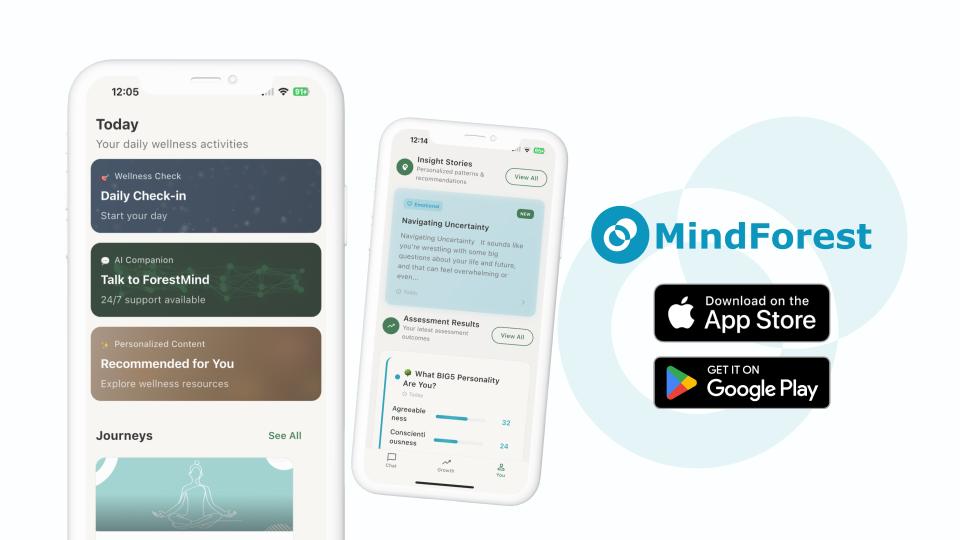
Always Acting Nonchalant in Relationships — and Feeling Drained By It? Try MindForest
Always Acting Nonchalant in Relationships — and Feeling Drained By It? Try MindForest
Before using the MindForest App:
😔 You keep a nonchalant front, but inside you feel tense whenever messages slow down or change.
😢 You struggle to express how you truly feel, afraid of being misunderstood or rejected.
🤯 The more “cool and unfazed” you try to act, the more you end up overthinking every small detail.
After practising with the MindForest App:
🌿 You start recognising the emotional patterns behind your nonchalant reactions, instead of letting distance control the connection.
💬 You learn how to soothe yourself gently, without shutting down or pushing people away.
🪞 With ForestMind AI, emotional journaling and guided psychological tools, you develop healthier communication skills and real empathy.
🌱 Download MindForest App today — bring warmth, clarity and genuine connection back into your relationships.
Want to understand ghosting in more depth? We have a full write-up on it.
The story behind performative male is worth unpacking — we've done it in a separate article.
References
Brandão, T., Schulz, M. S., Matos, P. M., & Leal, I. (2019). Attachment, emotion regulation, and well-being in couples: A systematic review. Clinical Psychology Review, 72, 101747.
Bretaña, I., Valencia, M., & Carbajal, R. (2022). Avoidant attachment and withdrawal–demand patterns in romantic relationships. Frontiers in Psychology, 13, 872091.
Houle, L., Shulman, S., & Kopelman-Rich, E. (2023). Playing hard to get: A scoping review of uncertainty and romantic attraction. Journal of Social and Personal Relationships, 40(8), 2127–2146.
Mikulincer, M., & Shaver, P. R. (2019). Attachment orientations and emotion regulation: Integrating perspectives. Current Opinion in Psychology, 25, 6–12.
Šiša, A. (2024). Ghosting on Tinder: Examining disconnectivity in online dating. Media and Communication, 12(1), 62–73.
Want to understand yourself better? Download MindForest — a psychology-based AI self-discovery app to explore your inner world and manage emotions, anytime.
Discover practical psychology tips you can apply to your everyday life. From building resilience to improving relationships and finding work-life balance, our blog brings expert-backed insights that help you grow.
Personal Branding Is Self-Knowledge, Not Self-Promotion: A Psychology-Based Guide
Personal branding is not packaging — it is the impression your values leave on other people. A psychology-based guide to what a personal brand actually is, why it matters in an unstable job market, and four steps to build one without pretending to be someone else.
Age Gap in Dating: Does It Actually Matter? Here's What the Research Says - 5 Things to Consider Before Having a Relationship
So, You're Dating Someone Older (or Younger) — and People Have Opinions
Let's be honest. The moment someone finds out there is a notable age gap in your relationship, the questions start. "How old is he?" "Isn't that a bit weird?" "What do you two even have in common?" Whether you are 23 dating a 35-year-old, or 30 and seeing someone who is 42, you have probably felt the weight of other people's opinions before you have even had a chance to figure out how you feel yourself.
Here is the thing: age gap relationships are far more common than people make them sound, and the research on them is a lot more nuanced than your group chat might be. This article is here to give you the honest psychological picture — the real concerns, the genuine green flags, and the questions worth asking yourself before you let someone else's raised eyebrow become your own inner doubt.
5 Signs of Love Bombing: When Someone's "Perfect Partner" Energy Is Actually a Red Flag
Picture this. You match with someone, and within 48 hours they're texting you paragraphs. By week two, they're calling you their soulmate. By week three, they've already booked a couples' trip and introduced you to their mum. Your friends are screaming "run" whilst your brain is flooded with dopamine and your heart is doing something completely unhinged.
Here is the plot twist nobody tells you: that overwhelming, electric, "finally someone who gets me" feeling? It might not be romance. It might be love bombing — and once you know what to look for, you literally cannot unsee it.
This article breaks down exactly what love bombing is, why your brain falls for it every single time, and what to actually do if you think you're in the middle of it. No fluff. Just the honest, researched stuff you actually need.