
mindforest.ai

Lifestyle Articles

Articles about lifestyle, minimalism, habits, and daily living

Healthy Lifestyle for Your Mind: 5 Psychology-Backed Lifestyles to Improve Emotional Wellbeing
Sammie Tang
Sammie Tang
4 min read

Healthy Lifestyle for Your Mind: 5 Psychology-Backed Lifestyles to Improve Emotional Wellbeing

Living a healthy lifestyle for psychological wellbeing goes beyond eating right and exercising. It’s about creating daily habits and mindsets that support your mental health, reduce stress, and promote emotional balance. In this article, you’ll discover five powerful lifestyle changes backed by psychology that can help you feel calmer, more focused, and happier. From embracing minimalism to adopting slow living, each approach offers practical steps to nurture your emotional wellbeing. Whether you’re battling anxiety or simply looking to improve your overall mood and resilience, these lifestyle strategies can help transform your mental health journey.

How Minimalism Improves Mental Well-being: 5 Science-Backed Benefits that Simplify Your Life
Sammie Tang
Sammie Tang
5 min read

How Minimalism Improves Mental Well-being: 5 Science-Backed Benefits that Simplify Your Life

Minimalism isn’t just about owning fewer possessions—it’s about creating more space, mentally and emotionally, for the things that truly matter. In this article, we’ll explore the psychological benefits of minimalism and how simplifying your surroundings and mindset can enhance your overall well-being.

Ready to Apply Psychology to Your Life?

Download MindForest and turn these insights into action. Get personalized support from ForestMind AI Coach, track your progress, and unlock your full potential.

Zen and Inner Peace: A Psychological Guide to Calm and Clarity
Sammie Tang
Sammie Tang
5 min read

Zen and Inner Peace: A Psychological Guide to Calm and Clarity

In a world filled with noise, stress, and constant distractions, finding inner peace can feel impossible. But Zen offers a timeless path to clarity and calm. Rooted in ancient Buddhist tradition and supported by modern psychology, Zen encourages mindful living, simplicity, and emotional balance. It’s not just about meditation — it’s about being fully present in everyday life. As research continues to highlight the mental health benefits of mindfulness and minimalism, Zen provides a powerful, practical framework for living with less stress and more intention. This article explores how Zen can help you rediscover true inner peace.

Slow Living: The Psychology-Backed Lifestyle that Reduces Stress and Boosts Wellbeing
Sammie Tang
Sammie Tang
7 min read

Slow Living: The Psychology-Backed Lifestyle that Reduces Stress and Boosts Wellbeing

In a world where speed and productivity is prized above almost everything else, the idea of “slow living” can feel almost rebellious. Rooted in mindfulness, intentionality, and presence, slow living invites us to pause, breathe, and realign with what truly matters. But this is not just a whimsical lifestyle trend or a romanticised return to the “good old days” — it has real psychological weight. In fact, research in psychology increasingly supports the notion that slowing down may actually improve mental well-being, cognitive function, and emotional resilience.

The Psychology of Hygge: Happiness and a Balanced Lifestyle
Sammie Tang
Sammie Tang
5 min read

The Psychology of Hygge: Happiness and a Balanced Lifestyle

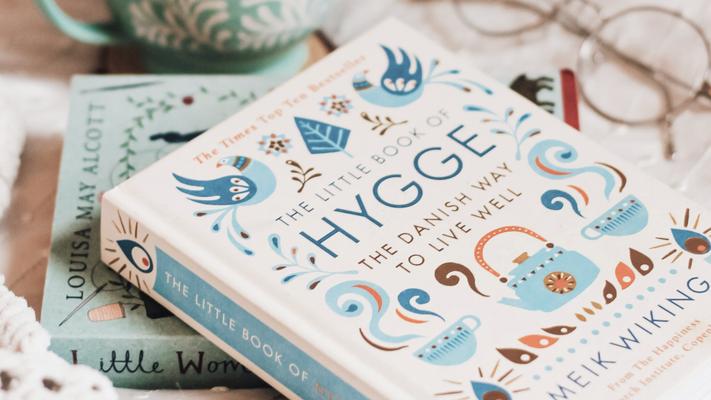
In a time of relentless deadlines, social media overload, and digital distraction, the Danish concept of Hygge (pronounced “hoo-gah”) offers a psychological pause button. Though often described as “cosiness,” Hygge is more than fluffy socks and hot drinks — it’s a lifestyle rooted in simplicity, comfort, and emotional safety. From a psychological perspective, this seemingly soft concept has a surprisingly strong impact on happiness and overall quality of life.

Embracing Imperfection: The Psychology of Wabi Sabi and the Beauty in the Imperfect
Sammie Tang
Sammie Tang
7 min read

Embracing Imperfection: The Psychology of Wabi Sabi and the Beauty in the Imperfect

In an era obsessed with perfection—flawless skin, curated feeds, and ideal lifestyles—the ancient Japanese philosophy of wabi sabi offers a refreshing counterpoint. Rooted in Zen Buddhism, wabi sabi celebrates transience, simplicity, and the imperfect. Rather than seeking flawlessness, it encourages acceptance of life’s natural cycles and the beauty in impermanence. From a psychological perspective, this worldview fosters well-being, resilience, and a more grounded sense of self. This article explores the concept of wabi sabi, its psychological relevance, and how embracing the imperfect can improve mental health and life satisfaction.

No more posts to load

Explore More Topics