



Articles about AI therapy, chatbots, and technology in mental health


Download MindForest and turn these insights into action. Get personalized support from ForestMind AI Coach, track your progress, and unlock your full potential.


Artificial Intelligence is seeping into all of our lives, every industry, every household, hence the development of AI Psychotherapy was no surprise. The power of AI grows stronger everyday, and it is becoming arguably more effective than humans in certain aspects. Most websites now feature an AI customer service chatbot, replying instantly with everything you need, so why not use AI in psychotherapy? An AI therapist that can give you all the advice you need whenever, wherever and saves you a trip to a therapist, it sounds too good to be true.


In this digital age, smartphones have become an integral part of our lives, providing us with instant access to information, social media, and various forms of entertainment. However, the addictive nature of smartphones has become a growing concern. The convenience and connectivity they offer can be both a blessing and a curse. While smartphones have undoubtedly revolutionised the way we communicate, work, and entertain ourselves, they have also created a new set of challenges related to addiction and overuse.


MindForest is an AI Coaching app, It's a space where people can grow and turn their thoughts into journal entries, almost without realising it. Programming ChatGPT to serve as your personal growth coach, the key is to be precise in your requests, specifying the approach it should adopt.




As artificial intelligence becomes more integrated into daily life, a key question emerges: how can humans and AI work together—not in competition, but in collaboration? This pillar explores the evolving relationship between people and machines, from career strategies and mental wellness to digital companionship and creativity. Each article reveals a different way AI is shaping how we live, work, and connect—with ourselves and each other.


Creativity has long been seen as a uniquely human trait – the ability to produce something both novel and meaningful. It fuels breakthroughs in science, art, design, and storytelling. But with the rise of artificial intelligence (AI), especially generative tools like ChatGPT, Midjourney, and others, the boundaries between human and machine creativity are becoming less clear. Can AI be truly creative—or is it simply mimicking creativity?

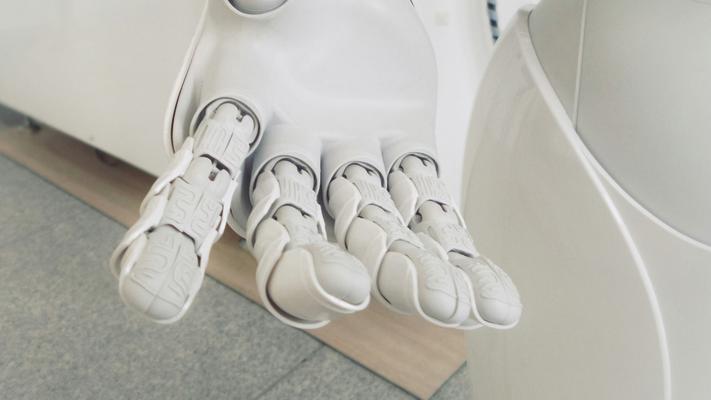
Let’s explore what emotional validation really is, why it matters, and how we can better meet this need—both through human relationships and newer digital forms of support, like AI friends and AI partners.


Client-centred therapy (CCT), pioneered by Carl R. Rogers, is a form of psychotherapy. As its name suggests, it is a therapy approach that prioritises active listening, understanding, empathy, respect and trust in the client’s innate self-awareness and self-control (Silani et al., 2013), fostering a connection and deep understanding with the client.
Articles about love, dating, relationships, attachment, and interpersonal connections
Questions and answers on various topics related to psychology, career development, and personal growth.
Articles about career, work, productivity, leadership, and professional development
Articles about personal growth, self-improvement, and psychological development
Articles about mental health, therapy, anxiety, stress, and emotional wellbeing
Articles about lifestyle, minimalism, habits, and daily living


