In a world that glorifies hustle, speed and constant productivity , doing more has become a moral virtue. Against this backdrop, an ancient Chinese concept is quietly regaining relevance: wu wei. Often translated as “non-action” or “effortless action”, wu wei offers a radically different way of engaging with work, life and ambition — one that values alignment over force, flow over struggle, and sustainability over exhaustion.
In a world that glorifies hustle, speed and constant productivity , doing more has become a moral virtue. We are encouraged to optimise every hour, maximise every output and push through resistance at all costs. Yet this relentless pursuit often leads to burnout, anxiety and a persistent sense of never being enough.
Against this backdrop, an ancient Chinese concept is quietly regaining relevance: wu wei. Often translated as “non-action” or “effortless action”, wu wei offers a radically different way of engaging with work, life and ambition — one that values alignment over force, flow over struggle, and sustainability over exhaustion.
This article explores the meaning of wu wei in Taoist philosophy, its psychological insights, how it challenges modern productivity culture, and how you can practise wu wei in everyday life — without giving up goals or responsibility.
🌊 What Is Wu Wei? Understanding Effortless Action in Taoism
Wu wei (無為) originates from Taoist philosophy, most notably in the Tao Te Ching, attributed to Laozi. At first glance, the term appears paradoxical. If wu wei means “non-action”, how can anything ever be achieved?
In Taoism, wu wei does not mean passivity, laziness or withdrawal from the world. Rather, it refers to acting in accordance with the Tao— the natural order of things — without unnecessary force or resistance. Laozi famously writes, “Wu wei er wu bu wei,” often translated as “Through non-action, nothing is left undone” (Laozi, trans. Lau, 2006).
Wu wei describes a state in which action arises naturally from awareness of context, timing and internal readiness. Instead of imposing willpower onto reality, one responds intelligently to circumstances. Action becomes effortless, not because nothing is done, but because nothing is forced.
A common metaphor in Taoism is water: it is soft, yielding and adaptable, yet capable of shaping mountains over time. Wu wei embodies this same principle — strength through flexibility.
💼 Wu Wei vs Hustle Culture: A Taoist Response to Productivity Obsession
Modern capitalism often equates worth with output. Productivity becomes not just an economic measure, but a personal identity. This mindset creates several problems:
Chronic stress and burnout
Constant self-criticism for not doing “enough”
Difficulty resting without guilt
Reduced creativity due to mental exhaustion
Wu wei challenges this paradigm at its root. Instead of asking, “How can I do more?”, wu wei asks, “What is appropriate to do now?”
This shift reframes productivity from quantity to quality and timing. Taoism recognises that excessive effort can backfire — like pulling on a plant to make it grow faster. In fact, over-intervention often creates more resistance, both internally and externally.
Importantly, wu wei is not anti-ambition. It does not reject work, progress or discipline. Rather, it rejects compulsive striving — effort driven by fear, comparison or external pressure.
In this sense, wu wei offers a sustainable alternative to hustle culture: achievement without self-violence, progress without perpetual urgency.
🧠 Wu Wei and Psychology: Why Effortless States Improve Well-being
Although wu wei emerges from Eastern philosophy, modern psychology offers striking parallels. One of the most relevant concepts is flow, introduced by psychologist Mihaly Csikszentmihalyi.
Flow refers to a mental state in which a person is fully immersed in an activity, experiencing deep focus, loss of self-consciousness and a sense that action unfolds effortlessly (Csikszentmihalyi, 1990). During flow, people often report that tasks feel easier, time passes differently and performance improves.
Wu wei and flow share several psychological features, yet they are not the same state.
Wu wei is rooted in contextual sensitivity — an ability to sense timing, environment and internal readiness before acting. Flow, by contrast, often emerges once action has already begun, especially when skills are well-matched to challenge.
In psychological terms, wu wei reduces inner friction before effort is applied, while flow describes the experience during optimal engagement. Practising wu wei therefore increases the likelihood of entering flow by easing over-control, perfectionism and anxiety-driven striving.
💼 Wu Wei vs Hustle Culture: A Taoist Response to Productivity Obsession
Modern capitalism often equates worth with output. Productivity becomes not just an economic measure, but a personal identity. This mindset creates several problems:
Chronic stress and burnout
Constant self-criticism for not doing “enough”
Difficulty resting without guilt
Reduced creativity due to mental exhaustion
Wu wei challenges this paradigm at its root. Instead of asking, “How can I do more?”, wu wei asks, “What is appropriate to do now?”
This shift reframes productivity from quantity to quality and timing. Taoism recognises that excessive effort can backfire — like pulling on a plant to make it grow faster. In fact, over-intervention often creates more resistance, both internally and externally.
Importantly, wu wei is not anti-ambition. It does not reject work, progress or discipline. Rather, it rejects compulsive striving — effort driven by fear, comparison or external pressure.
In this sense, wu wei offers a sustainable alternative to hustle culture: achievement without self-violence, progress without perpetual urgency.
🌱 How to Practise Wu Wei in Daily Life: Step-by-Step Guide
Wu wei is best understood as a practical approach, not an abstract philosophy. Below is a thorough guide with concrete actions readers can follow in daily life.
⏸️ 1. Observe Before You Act
Actionable steps:
Pause for 10–15 seconds before responding to a message, task, or impulse.
Mentally note your emotions, energy level, and the context.
Ask yourself: Do I need to act now, or can waiting reveal a better approach?
Follow-through:
Keep a small journal for a week to note moments when pausing led to better outcomes.
Gradually increase the pause duration when facing more stressful situations.
🔋 2. Work With Your Natural Energy
Actionable steps:
Identify peak focus times during the day (morning, afternoon, or evening).
Schedule demanding tasks when energy is high; reserve low-energy periods for routine or creative tasks.
Follow-through:
Use a 2-week energy diary to track alertness and productivity.
Adjust your schedule weekly to align tasks with natural energy peaks.
✂️ 3. Create a “Not-To-Do” List
Actionable steps:
List tasks, habits or commitments that do not contribute meaningfully to your goals.
Commit to consciously saying “no” or delegating these items.
Follow-through:
Review the list daily and remove one unnecessary task each week.
Notice how this frees mental space for more purposeful action.
🪶 4. Reduce Excessive Control
Actionable steps:
When a project or interaction feels tense, ask: Which parts do I really need to control, and which can evolve naturally?
Practice letting small, low-stakes decisions unfold without interference.
Follow-through:
Track situations where you let go of control and note outcomes.
Gradually apply this to more complex scenarios as confidence grows.
🌾 5. Commit to Gentle, Consistent Action
Actionable steps:
Break tasks into small, manageable steps rather than forcing large bursts.
Focus on steady progress instead of immediate perfection.
Follow-through:
Use a weekly checklist to track small wins rather than only big accomplishments.
Celebrate completion of small steps to reinforce the effortless habit.
🌬️ 6. Anchor in Body and Breath
Actionable steps:
Spend 3–5 minutes per day on deep breathing exercises or mindful walking.
Notice body sensations, posture, and tension points before tackling tasks.
Follow-through:
Set a timer for mini breathing sessions during work breaks.
Pair mindful body awareness with task planning to maintain a calm, centred state.
🔄 Integrate and Reflect
Actionable steps:
At the end of each day, reflect on where wu wei principles guided your actions successfully.
Identify moments when effort was forced, and consider how pausing, alignment, or subtraction could have helped.
Follow-through:
Keep a “wu wei log” for 2–4 weeks to strengthen awareness and habit formation.
Reassess and refine daily strategies based on what naturally leads to effortless action.
✨ Is Wu Wei the Ultimate Effortless Life Philosophy?
Wu wei does not promise instant success or a life free of difficulty. What it offers instead is a different relationship with effort. By aligning action with awareness, timing and natural capacity, wu wei transforms effort from strain into flow.
In an era defined by acceleration and exhaustion, wu wei reminds us that true effectiveness does not come from constant pushing. Sometimes, the most powerful move is to stop forcing — and allow the next step to emerge naturally.
Effortless does not mean careless. It means appropriate, responsive and humane. And in a world that never seems to slow down, that wisdom may be more valuable than ever.
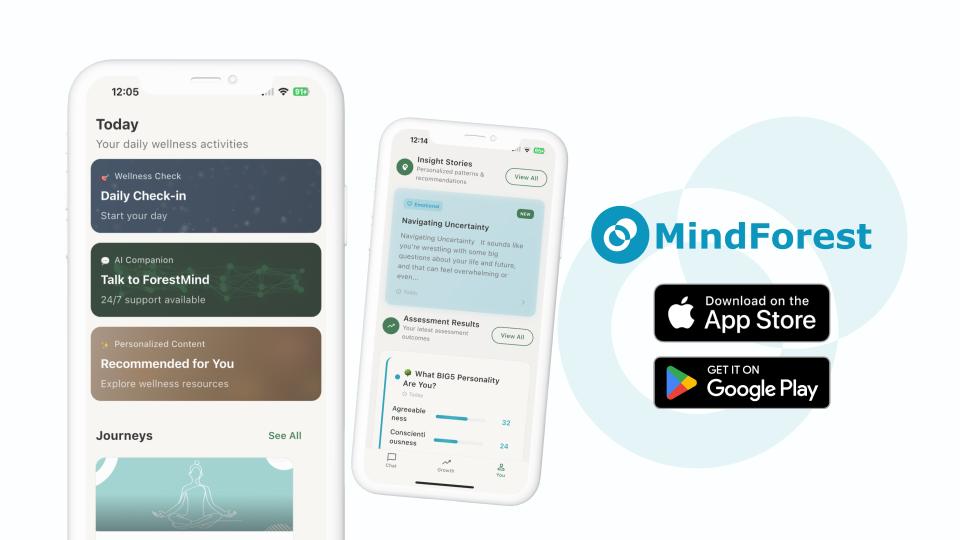
MindForest App: Practise Wu Wei and Effortless Decision-Making in Dating
Being aware of red flags doesn’t mean becoming suspicious or cynical. With wu wei, it’s about recognising patterns, understanding your reactions, and navigating dating with effortless clarity.
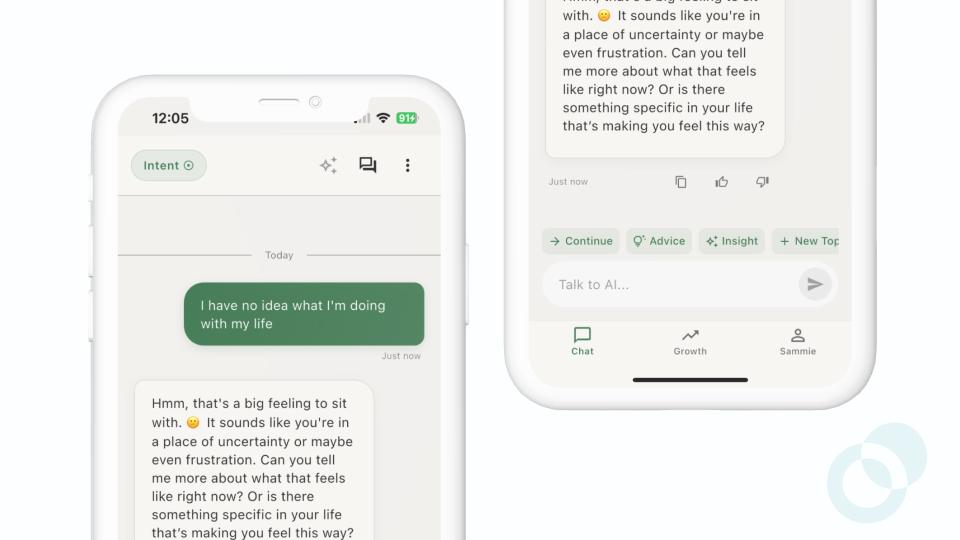
🌿 ForestMind AI
Spot recurring patterns in early dating, helping you act naturally rather than forcing reactions, so you can distinguish healthy curiosity from potential warning signs.
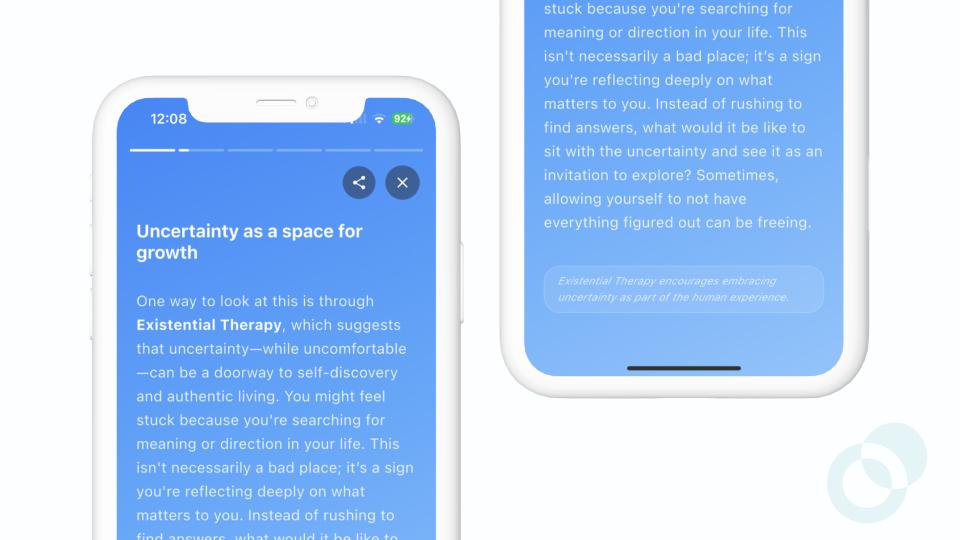
🪞 Insight Journal
Record moments when you feel drained, anxious, or uneasy, making it easier to notice early red flags without overthinking or forcing interpretations.
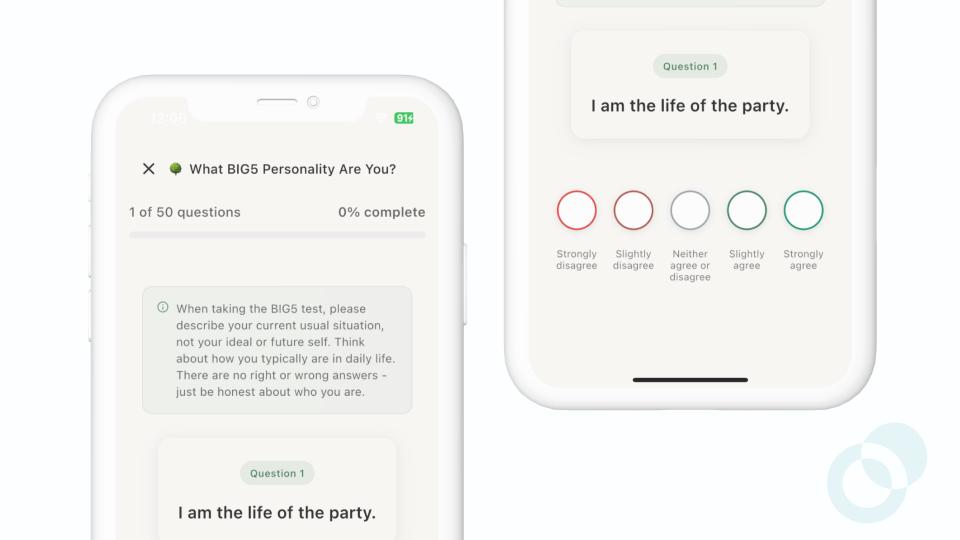
🧠 Psychological Assessments
Understand your attachment style, empathy patterns, and emotional boundaries, allowing you to approach dating with effortless awareness.
💫 Download MindForest App today
Start practising wu wei in your dating life — recognise red flags and protect your emotional well-being naturally and effortlessly.
☁️ Want to give it a try? Explore the web version:
Brown, K. W., & Ryan, R. M. (2003). The benefits of being present: Mindfulness and its role in psychological well-being. Journal of Personality and Social Psychology, 84(4), 822–848.
Csikszentmihalyi, M. (1990). Flow: The psychology of optimal experience. Harper & Row.
Küng, H. (2010). Tracing the ways of religion. Continuum.
Laozi. (2006). Tao Te Ching (D. C. Lau, Trans.). Penguin Classics.
Psychology Insights & Life Applications
Discover practical psychology tips you can apply to your everyday life. From building resilience to improving relationships and finding work-life balance, our blog brings expert-backed insights that help you grow.
Personal Branding Is Self-Knowledge, Not Self-Promotion: A Psychology-Based Guide
Personal branding is not packaging — it is the impression your values leave on other people. A psychology-based guide to what a personal brand actually is, why it matters in an unstable job market, and four steps to build one without pretending to be someone else.
Age Gap in Dating: Does It Actually Matter? Here's What the Research Says - 5 Things to Consider Before Having a Relationship
So, You're Dating Someone Older (or Younger) — and People Have Opinions
Let's be honest. The moment someone finds out there is a notable age gap in your relationship, the questions start. "How old is he?" "Isn't that a bit weird?" "What do you two even have in common?" Whether you are 23 dating a 35-year-old, or 30 and seeing someone who is 42, you have probably felt the weight of other people's opinions before you have even had a chance to figure out how you feel yourself.
Here is the thing: age gap relationships are far more common than people make them sound, and the research on them is a lot more nuanced than your group chat might be. This article is here to give you the honest psychological picture — the real concerns, the genuine green flags, and the questions worth asking yourself before you let someone else's raised eyebrow become your own inner doubt.
5 Signs of Love Bombing: When Someone's "Perfect Partner" Energy Is Actually a Red Flag
Picture this. You match with someone, and within 48 hours they're texting you paragraphs. By week two, they're calling you their soulmate. By week three, they've already booked a couples' trip and introduced you to their mum. Your friends are screaming "run" whilst your brain is flooded with dopamine and your heart is doing something completely unhinged.
Here is the plot twist nobody tells you: that overwhelming, electric, "finally someone who gets me" feeling? It might not be romance. It might be love bombing — and once you know what to look for, you literally cannot unsee it.
This article breaks down exactly what love bombing is, why your brain falls for it every single time, and what to actually do if you think you're in the middle of it. No fluff. Just the honest, researched stuff you actually need.