Many adults reach a point where they realise something feels off — not because of what is happening now, but because of what happened long ago. You might struggle with boundaries, feel overly responsible for others’ emotions, or carry a quiet sense of shame without knowing why. Often, these patterns trace back to toxic parents and the invisible inheritance of generational trauma. This article isn’t about blaming parents. It’s about understanding how pain travels through families — and how, as an adult, you can begin to interrupt that cycle with clarity and compassion.
Introduction: When Childhood Still Echoes in Adulthood 🌱
Many adults reach a point where they realise something feels off — not because of what is happening now, but because of what happened long ago.
You might struggle with boundaries, feel overly responsible for others’ emotions, or carry a quiet sense of shame without knowing why.
Often, these patterns trace back to toxic parents and the invisible inheritance of generational trauma.
This article isn’t about blaming parents.
It’s about understanding how pain travels through families — and how, as an adult, you can begin to interrupt that cycle with clarity and compassion.
What Do We Mean by “Toxic Parents”? ⚠️
The phrase toxic parents describes caregiving patterns that consistently harm a child’s emotional development. Importantly, toxicity is defined by impact, not intent.
Many toxic parents were once wounded children themselves.
Common Signs of Toxic Parenting 🚩
You may recognise toxic parenting if you grew up with caregivers who often:
❌ Dismissed your emotions or minimised your pain
🎭 Used guilt, fear or shame as control
🧠 Expected emotional caretaking from you
🔒 Struggled with boundaries or privacy
🏆 Offered love conditionally, based on performance or obedience
Research shows that chronic emotional invalidation and psychological control are strongly linked to anxiety, depression, and long-term difficulties with self-worth (Soenens & Vansteenkiste, 2010).
Why Toxic Parenting Often Isn’t “Intentional” 🧬
Many parents do not choose to be harmful. They parent from what they know.
A caregiver raised in emotional neglect may believe emotional distance is normal.
A caregiver raised in fear may rely on control.
This is where generational trauma enters the picture.
What Is Generational Trauma? 🧠
Generational trauma (or intergenerational trauma) refers to the transmission of trauma-related patterns from one generation to the next — emotionally, behaviourally, and even biologically.
It doesn’t require dramatic events. Chronic stress, emotional neglect, migration, war, poverty, or unresolved grief can all leave psychological imprints that shape parenting styles.
How Trauma Is Passed Down Families 🔄
Generational trauma can be transmitted through:
👶 Attachment patterns (emotional availability or absence)
🗣️ Family beliefs (“Feelings are dangerous,” “Children must obey”)
🧬 Stress physiology, including altered cortisol regulation (Yehuda et al., 2016)
Children don’t inherit trauma memories — they inherit responses to threat.
The Psychological Impact of Growing Up with Toxic Parents 💔
1) Attachment Wounds and Adult Relationships 🤝
Attachment theory shows that early caregiver relationships shape how safe we feel with others. Toxic parenting often leads to insecure attachment styles — anxious, avoidant, or disorganised (Bowlby, 1982; Mikulincer & Shaver, 2016).
In adulthood, this may show up as:
😟 Fear of abandonment
🔐 Difficulty trusting partners
❄️ Emotional withdrawal during conflict
🔁 Repeating unhealthy relationship patterns
2) The Harsh Inner Critic 🗣️
Many adults raised by toxic parents carry an internal voice that echoes early criticism.
This inner critic often fuels:
Perfectionism
Chronic guilt
Self-doubt
Emotional abuse and psychological control in childhood are strongly associated with long-term negative self-concept and emotional regulation difficulties (Spinazzola et al., 2014).
3) A Nervous System Stuck in Survival Mode ⚡
Childhood stress shapes the brain’s threat-detection systems. Prolonged exposure to fear or instability can leave the nervous system constantly “on alert”.
This can feel like:
😣 Being “too sensitive”
😴 Chronic exhaustion
🚨 Overreacting to small triggers
🧘 Difficulty relaxing, even when safe
Why These Patterns Repeat: A Family Systems View 🏠
Family systems theory explains that families unconsciously maintain balance — even unhealthy balance.
Roles such as:
🕊️ The peacemaker
🎯 The scapegoat
👻 The emotionally invisible child
often emerge in traumatised families. These roles help families survive — but they also get passed down, reinforcing generational trauma (Bowen, 1978).
The Realisation in Adulthood: “It Wasn’t Just Me” 💡
One of the most healing moments is realising:
“My reactions make sense — given what I lived through.”
This shift reduces shame and opens the door to change.
How to Break the Cycle of Generational Trauma (Gently and Realistically) 🌿
Healing doesn’t require cutting off family or reliving every memory.
It begins with choice.
1) Naming What Happened 🏷️
You cannot heal what you cannot name. Learning about toxic parents and generational trauma helps externalise the problem — shifting from “I am broken” to “I adapted.”
2) Setting Boundaries Without Self-Betrayal 🚧
Boundaries are not punishments. They are acts of self-respect.
Healthy boundaries may include:
Saying no without over-explaining
Limiting emotionally draining conversations
Creating distance when needed
Boundary-setting is linked to improved psychological wellbeing and reduced stress (Karakurt & Silver, 2013).
3) Re-Parenting Yourself 🤍
Re-parenting means giving yourself the emotional care you didn’t receive.
This may involve:
Validating your own feelings
Practising self-soothing
Choosing rest without guilt
Self-compassion plays a powerful role in healing trauma and building resilience (Neff & Germer, 2013).
4) Therapy and Trauma-Informed Support 🛋️
Therapy can help integrate painful experiences safely. Trauma-informed approaches provide corrective emotional experiences that slowly reshape attachment patterns (Courtois & Ford, 2016).
5) Creating a New Emotional Legacy 🌱
Breaking generational trauma isn’t about perfection.
It’s about pausing where your parents couldn’t.
Each conscious choice — to communicate, to regulate, to protect — weakens the trauma’s grip on the next generation.
Conclusion: You Are Not the Trauma — You Are the Turning Point ✨
If you grew up with toxic parents, your struggles are not personal failures.
They are intelligent responses to an unsafe emotional environment.
Understanding generational trauma allows you to hold two truths:
Compassion for where your parents came from
Responsibility for where you are going
Healing is not about erasing the past.
It’s about choosing differently — again and again.
And that choice matters more than you realise 💛
MindForest App: Gently Unravelling the Impact of Toxic Parents and Generational Trauma
Becoming aware of toxic parents and generational trauma isn’t about blaming the past — it’s about finally understanding why certain patterns feel so hard to escape.
Healing begins when you can recognise what you inherited, without judging yourself for carrying it.
🌿 ForestMind AI
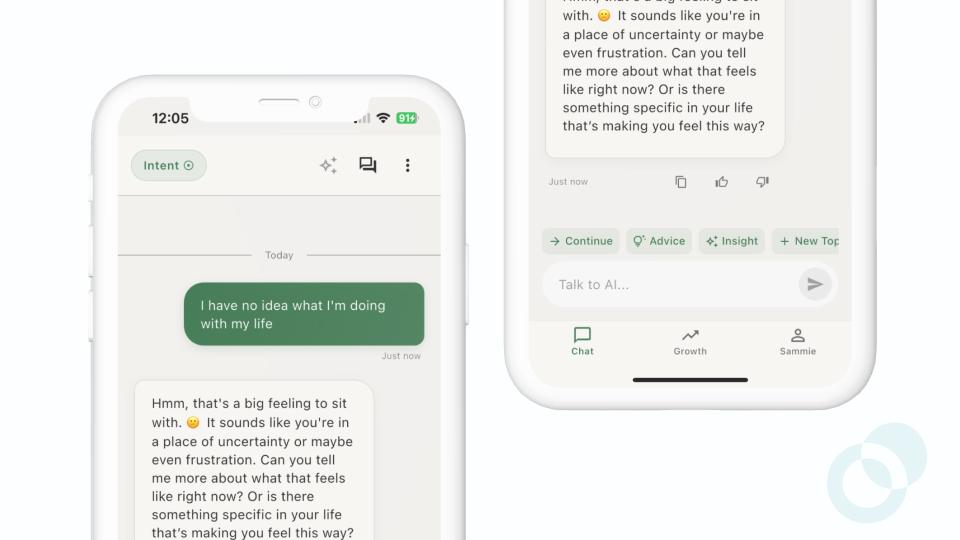
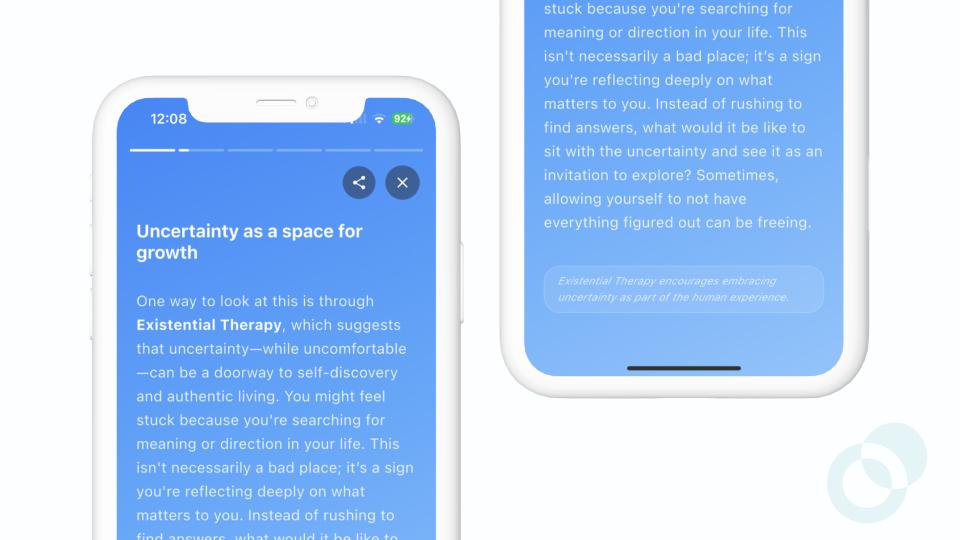
Helps you reflect on family dynamics, emotional triggers, and inherited beliefs — so you can see which reactions belong to the past, and which ones you’re ready to release.
🪞 Insight Journal
Track moments when you feel guilt, emotional overwhelm, or self-doubt around family or close relationships, making generational patterns visible — without forcing conclusions or reliving pain.
🧠 Psychological Assessments
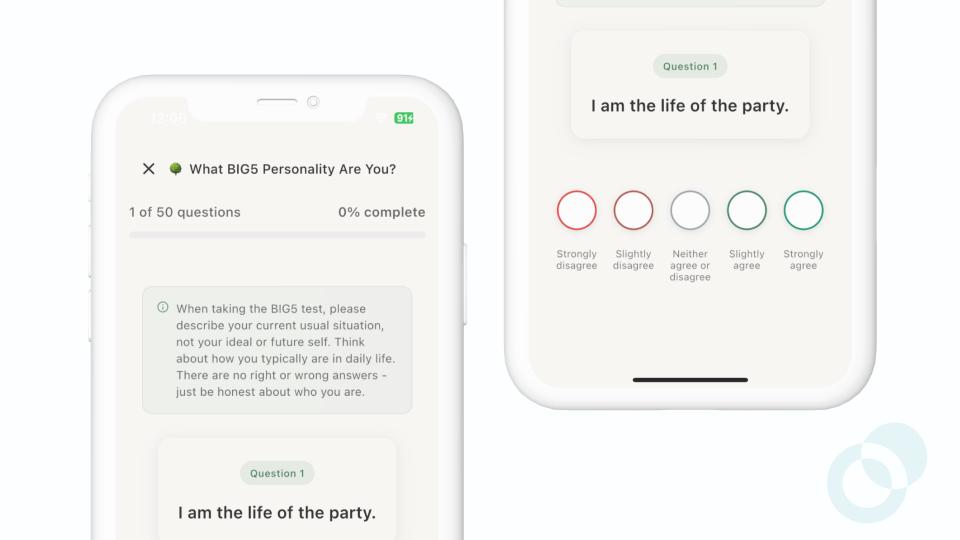
Explore attachment styles, boundary patterns, and trauma responses shaped by toxic parenting, helping you understand how generational trauma shows up in your adult life — gently and safely.
💫 Download MindForest App today
Begin breaking the cycle of toxic parents and generational trauma — not by pushing harder, but by understanding yourself more deeply.
☁️ Want to explore at your own pace? Try the web version here:
Bowlby, J. (1982). Attachment and loss: Vol. 1. Attachment (2nd ed.). Basic Books.
Bowen, M. (1978). Family therapy in clinical practice. Jason Aronson.
Courtois, C. A., & Ford, J. D. (2016). Treatment of complex trauma: A sequenced, relationship-based approach. Guilford Press.
Karakurt, G., & Silver, K. E. (2013). Emotional abuse in intimate relationships: The role of gender and age. Violence and Victims, 28(5), 804–821. https://doi.org/10.1891/0886-6708.VV-D-12-00041
Mikulincer, M., & Shaver, P. R. (2016). Attachment in adulthood (2nd ed.). Guilford Press.
Neff, K. D., & Germer, C. K. (2013). A pilot study of a mindful self-compassion program. Journal of Clinical Psychology, 69(1), 28–44. https://doi.org/10.1002/jclp.21923
Soenens, B., & Vansteenkiste, M. (2010). A theoretical upgrade of parental psychological control. Developmental Review, 30(1), 74–99. https://doi.org/10.1016/j.dr.2009.11.001
Yehuda, R., et al. (2016). Influences of parental PTSD on offspring epigenetic regulation. American Journal of Psychiatry, 173(8), 843–852. https://doi.org/10.1176/appi.ajp.2016.15070814
Want to understand yourself better? Download MindForest — a psychology-based AI self-discovery app to explore your inner world and manage emotions, anytime.
Discover practical psychology tips you can apply to your everyday life. From building resilience to improving relationships and finding work-life balance, our blog brings expert-backed insights that help you grow.
Personal Branding Is Self-Knowledge, Not Self-Promotion: A Psychology-Based Guide
Personal branding is not packaging — it is the impression your values leave on other people. A psychology-based guide to what a personal brand actually is, why it matters in an unstable job market, and four steps to build one without pretending to be someone else.
Age Gap in Dating: Does It Actually Matter? Here's What the Research Says - 5 Things to Consider Before Having a Relationship
So, You're Dating Someone Older (or Younger) — and People Have Opinions
Let's be honest. The moment someone finds out there is a notable age gap in your relationship, the questions start. "How old is he?" "Isn't that a bit weird?" "What do you two even have in common?" Whether you are 23 dating a 35-year-old, or 30 and seeing someone who is 42, you have probably felt the weight of other people's opinions before you have even had a chance to figure out how you feel yourself.
Here is the thing: age gap relationships are far more common than people make them sound, and the research on them is a lot more nuanced than your group chat might be. This article is here to give you the honest psychological picture — the real concerns, the genuine green flags, and the questions worth asking yourself before you let someone else's raised eyebrow become your own inner doubt.
5 Signs of Love Bombing: When Someone's "Perfect Partner" Energy Is Actually a Red Flag
Picture this. You match with someone, and within 48 hours they're texting you paragraphs. By week two, they're calling you their soulmate. By week three, they've already booked a couples' trip and introduced you to their mum. Your friends are screaming "run" whilst your brain is flooded with dopamine and your heart is doing something completely unhinged.
Here is the plot twist nobody tells you: that overwhelming, electric, "finally someone who gets me" feeling? It might not be romance. It might be love bombing — and once you know what to look for, you literally cannot unsee it.
This article breaks down exactly what love bombing is, why your brain falls for it every single time, and what to actually do if you think you're in the middle of it. No fluff. Just the honest, researched stuff you actually need.