In modern dating, many people find themselves asking the same frustrating question: “Why does everything feel close, intense, and promising—until commitment comes up?” If you’ve ever dated someone who enjoys intimacy but avoids labels, long-term planning, or emotional responsibility, you may have encountered a commitment issue in dating. This phenomenon has become increasingly common, particularly in a culture shaped by dating apps, individualism, and emotional burnout.
This article explores what commitment issues in dating really mean, why they’re becoming more widespread, how to cope if you experience them yourself, and what to consider when dating someone who struggles with commitment.
In modern dating, many people find themselves asking the same frustrating question:
“Why does everything feel close, intense, and promising—until commitment comes up?”
If you’ve ever dated someone who enjoys intimacy but avoids labels, long-term planning, or emotional responsibility, you may have encountered a commitment issue in dating. This phenomenon has become increasingly common, particularly in a culture shaped by dating apps, individualism, and emotional burnout.
This article explores what commitment issues in dating really mean, why they’re becoming more widespread, how to cope if you experience them yourself, and what to consider when dating someone who struggles with commitment.
What Is a Commitment Issue in Dating?
A commitment issue in dating refers to a persistent difficulty or reluctance to engage in long-term, emotionally secure romantic relationships. It’s not simply about wanting to take things slowly—rather, it involves avoidance of emotional responsibility, exclusivity, or future planning, even when intimacy already exists.
People with commitment issues may:
Enjoy closeness but pull away and be nonchalant once expectations arise
Avoid defining the relationship
Feel anxious or trapped when discussing the future
End relationships abruptly when things become serious
Importantly, commitment issues are not always conscious. Many individuals genuinely desire connection but feel overwhelmed, threatened, or emotionally unsafe when commitment becomes real.
From a psychological perspective, commitment issues are often linked to attachment patterns, particularly avoidant attachment, where emotional closeness is associated with loss of autonomy or emotional pain (Mikulincer & Shaver, 2019).
Commitment Issue vs. Healthy Caution in Dating
It’s crucial to distinguish a commitment issue in dating from healthy boundary-setting.
Avoidance of clarity despite ongoing emotional involvement
If someone consistently benefits from emotional or physical closeness while resisting responsibility, the issue may not be timing—it may be commitment.
5 Reasons Why Commitment Issues in Dating Are Becoming More Common
1) Dating Apps and the Illusion of Infinite Choice
Modern dating platforms encourage the belief that there is always someone better one swipe away. Research suggests that perceived abundance of alternatives can reduce willingness to commit, even when satisfaction is present (Lenton et al., 2013).
When people believe they can easily replace a partner, they may hesitate to invest deeply—leading to shallow connections and chronic ambivalence.
2) Fear of Loss of Independence
In contemporary culture, independence and self-actualisation are heavily prioritised. While autonomy is healthy, it can morph into a fear that commitment equals loss of freedom, identity, or opportunity.
For some, a commitment issue in dating reflects a deeper conflict between connection and autonomy, rather than lack of care.
3) Past Relationship Trauma
Previous experiences of betrayal, emotional neglect, or painful break‑ups can leave lasting psychological imprints. Research indicates that early trauma—especially during childhood—can negatively affect adult romantic relationships by shaping insecure attachment styles, which in turn can reduce relationship satisfaction and increase avoidance behaviours in future partnerships (Quan et al., 2025).
In this sense, commitment issues can function as a protective strategy—an attempt to avoid being hurt again.
4) Avoidant Attachment Styles
Attachment theory provides one of the strongest frameworks for understanding commitment issues in dating. Individuals with avoidant attachment often learned early in life that emotional closeness was unreliable or unsafe.
As adults, they may:
Value independence over intimacy
Downplay emotional needs
Feel discomfort when partners seek closeness
Even when they desire love, commitment can trigger anxiety rather than security (Mikulincer & Shaver, 2019).
5) Emotional Burnout and Dating Fatigue
Repeated disappointments in modern dating can lead to emotional exhaustion. Some people develop commitment issues not because they don’t care—but because they feel emotionally depleted.
Burnout can manifest as detachment, emotional numbness, or avoidance of long-term investment (Hertlein et al., 2015).
4 Ways to Cope If You Struggle With Commitment Issues
If you recognise patterns of avoidance or fear around commitment in yourself, the goal is not self-blame—but awareness.
1) Reflect on What Commitment Triggers for You
Ask yourself:
Do I associate commitment with loss, pressure, or pain?
What past experiences shaped these fears?
What do I believe will happen if I fully commit?
Understanding the emotional meaning you attach to commitment is a crucial first step.
2) Learn to Tolerate Emotional Discomfort
Commitment naturally involves vulnerability. Avoidance often reduces anxiety short-term, but increases loneliness long-term.
Practicing emotional tolerance—staying present despite discomfort—can gradually reshape your relationship with intimacy (Cassidy & Shaver, 2016).
3) Communicate Honestly, Even When You’re Unsure
You don’t need perfect clarity to be honest. Saying:
“I care about you, but I feel anxious about commitment and I’m trying to understand why”
is far healthier than disappearing or sending mixed signals.
4) Consider Therapeutic Support
Research shows that attachment-based therapy can significantly improve relationship security and reduce avoidance behaviours (Johnson, 2019). Therapy provides a safe space to explore fears without judgement.
Dating Someone With a Commitment Issue: 4 Things to Consider
Loving someone with a commitment issue in dating can be emotionally confusing. Here are key considerations to protect both clarity and self-respect.
1) Distinguish Potential From Reality
It’s easy to focus on who someone could be if they healed or tried harder. However, sustainable relationships are built on current behaviour, not future hope.
Ask yourself:
Are their actions consistent with my needs?
Am I waiting for change that hasn’t happened?
2) Set Clear Emotional Boundaries
Boundaries are not ultimatums—they are information. For example:
“I’m looking for a relationship with clarity and direction. If that’s not something you can offer, I need to reconsider my involvement.”
Clarity protects emotional wellbeing for both parties.
3) Avoid Over-Functioning for Their Growth
You cannot heal someone’s commitment issue for them. Over-explaining, waiting indefinitely, or minimising your needs often leads to emotional imbalance.
Healthy relationships require mutual effort, not emotional rescue.
4) Watch for Patterns, Not Promises
Someone with commitment issues may express affection verbally while avoiding action. Research indicates that consistency, rather than intensity, predicts relationship stability (Brandão et al., 2019).
Pay attention to:
Follow-through
Willingness to plan
Emotional availability over time
When Is a Commitment Issue a Deal-Breaker?
A commitment issue in dating becomes a deal-breaker when:
Your needs for security are consistently unmet
Communication leads to avoidance rather than growth
You feel anxious, unsure, or emotionally sidelined
Love should expand your emotional safety—not keep you in constant self-doubt.
Final Thoughts: Commitment Is Not About Perfection, But Willingness
At its core, a commitment issue in dating is rarely about lack of love—it is about fear, protection, and emotional learning. When someone struggles with accepting imperfection, they might become a performative male or pick-me girl.
Commitment doesn’t mean certainty or flawlessness. It means willingness to stay, communicate, and grow, even when things feel uncomfortable.
Whether you are navigating your own commitment struggles or dating someone who is, clarity, self-respect, and emotional honesty remain the most powerful guides.
Have You Ever Realised That Constantly Understanding Others Can Be Exhausting?
Do you often find yourself in relationships where—
You try your best to understand and accommodate your partner’s emotions, only to end up carrying the burden alone?
The moment your partner’s emotions flare, you automatically step in to soothe, fix, or hold everything together?
Over time, you start feeling numb, drained, and even wonder: “Am I not loving enough?”
If this sounds familiar, what you’re experiencing might not just be normal relationship challenges—it could be related to commitment issues in dating and the emotional toll they bring.
When one partner struggles with commitment, you may find yourself overcompensating—constantly investing emotional energy while neglecting your own needs. This can gradually wear down your emotional reserves.
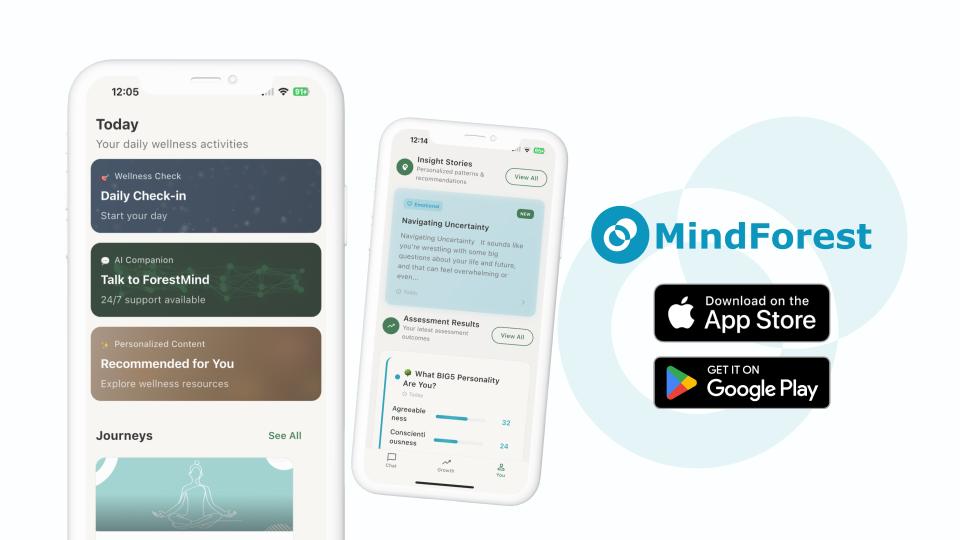
MindForest App: Helping You Navigate Commitment Issues in Dating While Protecting Your Own Emotional Energy
Understanding the emotional load of dating someone with commitment issues doesn’t mean becoming indifferent. It’s about caring without exhausting yourself.
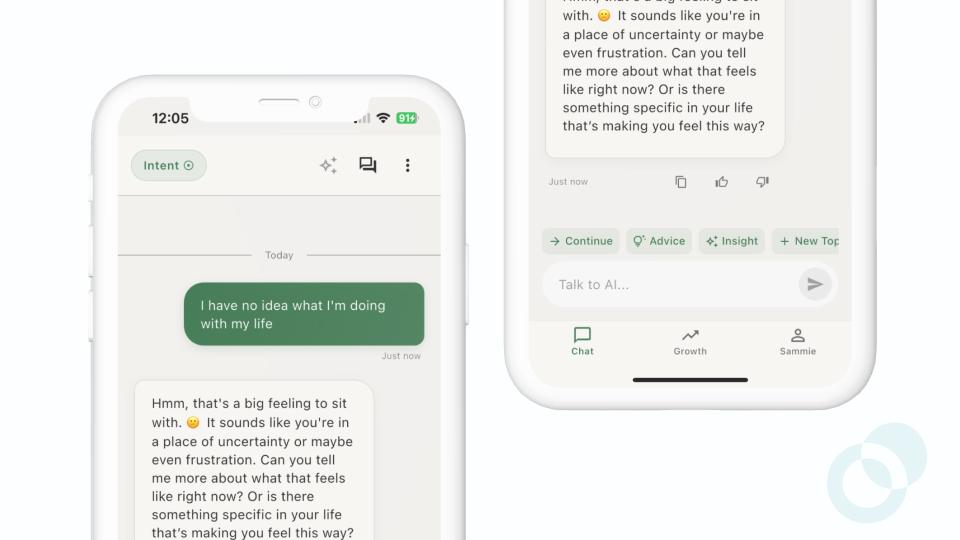
🌿 ForestMind AI
Helps you unpack the recurring emotional burden in your relationship and distinguish between healthy concern and over-responsibility.
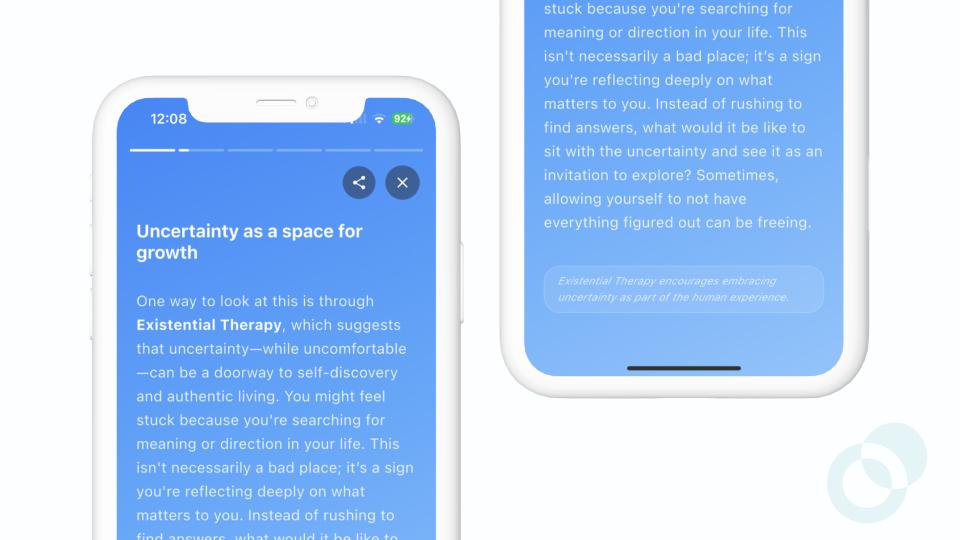
🪞 Insight Journal
Guides you to record moments when you feel emotionally drained, helping you recognise patterns related to commitment struggles.
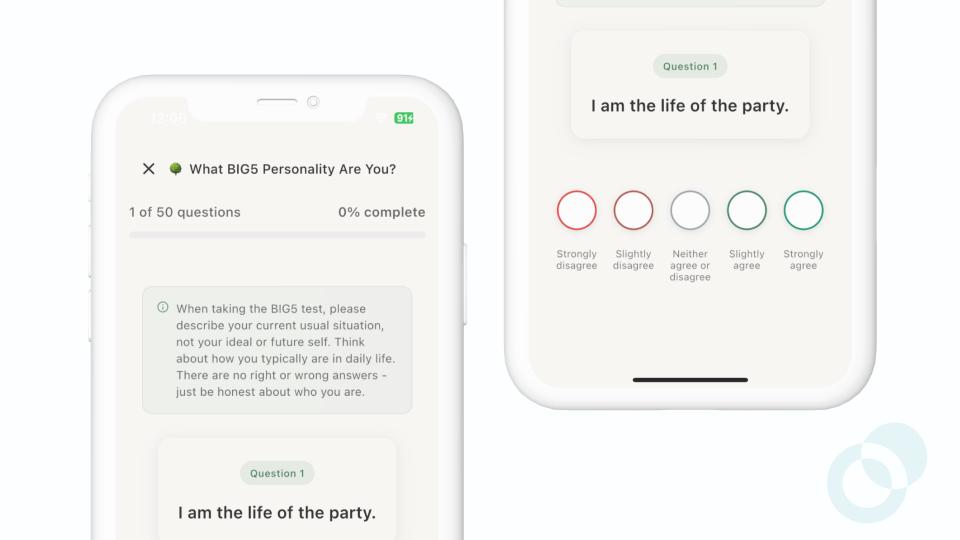
🧠 Psychological Assessments
Gain insight into your attachment style and empathy patterns, so you can establish healthier emotional boundaries.
💫 Download MindForest App today
Start understanding commitment issues in dating and learn how to care for yourself without being drained.
When it comes to nonchalant, the psychology is worth a closer look — we cover it in a dedicated article.
The story behind ghosting is worth unpacking — we've done it in a separate article.
References
Brandão, T., Schulz, M. S., Matos, P. M., Costa, M. E., & Soares, I. (2019). Attachment, emotion regulation, and well-being in couples. Personal Relationships, 26(3), 433–455. https://doi.org/10.1111/pere.12281 (https://doi.org/10.1111/pere.12281)
Cassidy, J., & Shaver, P. R. (2016). Handbook of attachment: Theory, research, and clinical applications (3rd ed.). Guilford Press.
Hertlein, K. M., Weeks, G. R., & Gambescia, N. (2015). Systemic sex therapy. Routledge.
Mikulincer, M., & Shaver, P. R. (2019). Attachment in adulthood: Structure, dynamics, and change (2nd ed.). Guilford Press.
Quan, L., Zhang, K., & Chen, H. (2025). The relationship between childhood trauma and romantic relationship satisfaction: The role of attachment and social support. Frontiers in Psychiatry, 15, 1519699.
Want to understand yourself better? Download MindForest — a psychology-based AI self-discovery app to explore your inner world and manage emotions, anytime.
Discover practical psychology tips you can apply to your everyday life. From building resilience to improving relationships and finding work-life balance, our blog brings expert-backed insights that help you grow.
Personal Branding Is Self-Knowledge, Not Self-Promotion: A Psychology-Based Guide
Personal branding is not packaging — it is the impression your values leave on other people. A psychology-based guide to what a personal brand actually is, why it matters in an unstable job market, and four steps to build one without pretending to be someone else.
Age Gap in Dating: Does It Actually Matter? Here's What the Research Says - 5 Things to Consider Before Having a Relationship
So, You're Dating Someone Older (or Younger) — and People Have Opinions
Let's be honest. The moment someone finds out there is a notable age gap in your relationship, the questions start. "How old is he?" "Isn't that a bit weird?" "What do you two even have in common?" Whether you are 23 dating a 35-year-old, or 30 and seeing someone who is 42, you have probably felt the weight of other people's opinions before you have even had a chance to figure out how you feel yourself.
Here is the thing: age gap relationships are far more common than people make them sound, and the research on them is a lot more nuanced than your group chat might be. This article is here to give you the honest psychological picture — the real concerns, the genuine green flags, and the questions worth asking yourself before you let someone else's raised eyebrow become your own inner doubt.
5 Signs of Love Bombing: When Someone's "Perfect Partner" Energy Is Actually a Red Flag
Picture this. You match with someone, and within 48 hours they're texting you paragraphs. By week two, they're calling you their soulmate. By week three, they've already booked a couples' trip and introduced you to their mum. Your friends are screaming "run" whilst your brain is flooded with dopamine and your heart is doing something completely unhinged.
Here is the plot twist nobody tells you: that overwhelming, electric, "finally someone who gets me" feeling? It might not be romance. It might be love bombing — and once you know what to look for, you literally cannot unsee it.
This article breaks down exactly what love bombing is, why your brain falls for it every single time, and what to actually do if you think you're in the middle of it. No fluff. Just the honest, researched stuff you actually need.