Life is a series of decisions, both big and small, shaping who we are and where we go. But how can we make better decisions when faced with complex challenges? This page is your go-to guide for mastering the art of decision-making. You’ll learn practical strategies to enhance critical thinking, overcome cognitive biases, and balance wisdom with intelligence.
Life is a series of decisions, both big and small, shaping who we are and where we go. But how can we make better decisions when faced with complex challenges? This page is your go-to guide for mastering the art of decision-making. You’ll learn practical strategies to enhance critical thinking, overcome cognitive biases, and balance wisdom with intelligence. Whether you’re navigating personal growth or professional challenges, these insights will empower you to think clearly, act decisively, and create meaningful outcomes.
1) Work Smart: How to Improve Critical Thinking and Decision-Making
Critical thinking is the cornerstone of effective decision-making. This article explores how to hone these skills using straightforward psychological strategies. Learn to analyse situations, predict outcomes, and make decisions that align with your goals. Perfect for professionals, it provides practical applications to tackle challenges with clarity and confidence.
2) Investment Tips from Psychology: 3 Cognitive Biases to Avoid
Cognitive biases can derail sensible investment decisions. This article identifies three common biases and explains how to avoid them. By applying psychological insights, you’ll develop healthier investment habits and take control of your financial future. Whether you’re new to investing or experienced, these tips are vital for smarter decision-making.
3) What is Sunk Cost Fallacy? Knowing When to Give Up
The sunk cost fallacy often traps us into continuing failing pursuits simply because we’ve already invested in them. This article explains how to recognise and avoid this common pitfall during decision-making. Learn when to cut your losses and move forward, saving valuable time, energy, and resources.
4) Wisdom vs Intelligence: Life Lessons for Your 30s
Your 30s are a time for growth, when wisdom often becomes more valuable than intelligence. This article explores how life experiences can deepen your perspective, helping you balance logic with intuition in decision-making. Embrace wisdom to navigate challenges with grace and unlock personal fulfilment.
5) Are You Gifted or Highly Intelligent? 4 Pieces of Advice from Psychology
Gifted individuals often face unique challenges, from social disconnection to emotional struggles. This article offers four actionable tips for thriving both personally and professionally in decision-making. With insights tailored to highly intelligent people, discover how to build deeper connections and find balance beyond intellectual pursuits.
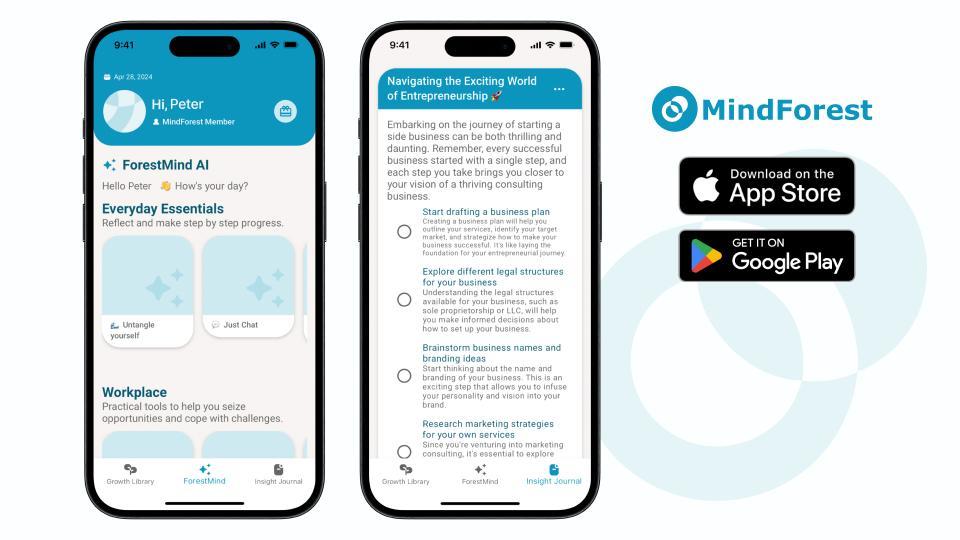
Explore the MindForest App: Smarter Decisions, Better Living
Unlock your decision-making potential with MindForest, the ultimate tool for personal growth and cognitive clarity.
Your personalised guide to better choices! ForestMind provides actionable advice grounded in psychological principles, helping you navigate tough decisions with confidence.
💪 Insight Journal
Turn every experience into a lesson. MindForest captures your thoughts and decisions, offering valuable insights to refine your judgement and critical thinking skills.
🔗 Psychometrics
Understand your decision-making style with interactive assessments. Gain self-awareness, track progress, and learn how to optimise your choices for personal and professional growth.
Start making smarter decisions today! Download MindForest and embark on a transformative journey towards clarity, confidence, and success in every aspect of your life.
Want to understand yourself better? Download MindForest — a psychology-based AI self-discovery app to explore your inner world and manage emotions, anytime.
Discover practical psychology tips you can apply to your everyday life. From building resilience to improving relationships and finding work-life balance, our blog brings expert-backed insights that help you grow.
Personal Branding Is Self-Knowledge, Not Self-Promotion: A Psychology-Based Guide
Personal branding is not packaging — it is the impression your values leave on other people. A psychology-based guide to what a personal brand actually is, why it matters in an unstable job market, and four steps to build one without pretending to be someone else.
Age Gap in Dating: Does It Actually Matter? Here's What the Research Says - 5 Things to Consider Before Having a Relationship
So, You're Dating Someone Older (or Younger) — and People Have Opinions
Let's be honest. The moment someone finds out there is a notable age gap in your relationship, the questions start. "How old is he?" "Isn't that a bit weird?" "What do you two even have in common?" Whether you are 23 dating a 35-year-old, or 30 and seeing someone who is 42, you have probably felt the weight of other people's opinions before you have even had a chance to figure out how you feel yourself.
Here is the thing: age gap relationships are far more common than people make them sound, and the research on them is a lot more nuanced than your group chat might be. This article is here to give you the honest psychological picture — the real concerns, the genuine green flags, and the questions worth asking yourself before you let someone else's raised eyebrow become your own inner doubt.
5 Signs of Love Bombing: When Someone's "Perfect Partner" Energy Is Actually a Red Flag
Picture this. You match with someone, and within 48 hours they're texting you paragraphs. By week two, they're calling you their soulmate. By week three, they've already booked a couples' trip and introduced you to their mum. Your friends are screaming "run" whilst your brain is flooded with dopamine and your heart is doing something completely unhinged.
Here is the plot twist nobody tells you: that overwhelming, electric, "finally someone who gets me" feeling? It might not be romance. It might be love bombing — and once you know what to look for, you literally cannot unsee it.
This article breaks down exactly what love bombing is, why your brain falls for it every single time, and what to actually do if you think you're in the middle of it. No fluff. Just the honest, researched stuff you actually need.