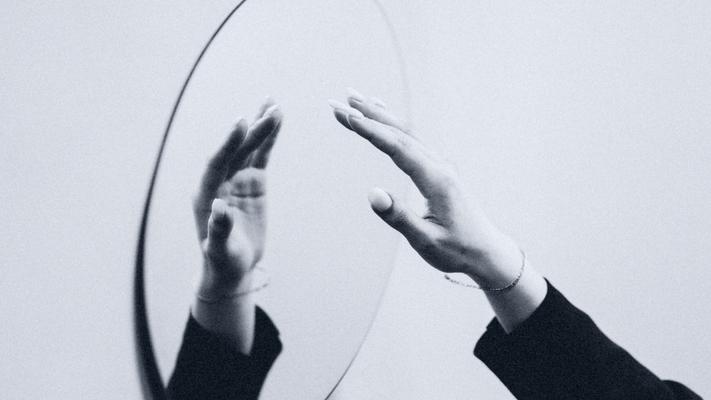
不少雙性戀者說,認識自己的過程,比想像中困難得多。喜歡同性,社會說「你是 Gay」;同時也喜歡異性,社會又說「那你還是直的」。這種不斷被框架否定的拉扯,讓很多雙性戀者難以建立穩固的自我認同,甚至開始懷疑自己的感受是否「算數」(Ross et al., 2018)。心理學研究建議,找到真正理解雙性戀的社群支持、接觸正向的雙性戀故事與形象,對心理健康有顯著的幫助。
Diamond, L. M. (2008). Sexual fluidity: Understanding women's love and desire. Harvard University Press.
Diamond L. M. (2008). Female bisexuality from adolescence to adulthood: results from a 10-year longitudinal study. Developmental psychology, 44(1), 5–14. https://doi.org/10.1037/0012-1649.44.1.5
Brewster, M. E., & Moradi, B. (2010). Perceived experiences of anti-bisexual prejudice: Instrument development and evaluation. Journal of Counseling Psychology, 57(4), 451–468. https://doi.org/10.1037/a0021116
Kinsey, A. C., Pomeroy, W. B., & Martin, C. E. (1948). Sexual behavior in the human male. W. B. Saunders.
Ross, L. E., Salway, T., Tarasoff, L. A., MacKay, J. M., Hawkins, B. W., & Fehr, C. P. (2018). Prevalence of depression and anxiety among bisexual people compared to gay, lesbian, and heterosexual individuals. The Journal of Sex Research, 55(4-5), 435–456. https://doi.org/10.1080/00224499.2017.1387755
Zivony, A., & Lobel, T. (2014). The invisible stereotypes of bisexual men. Archives of Sexual Behavior, 43(6), 1165–1176. https://doi.org/10.1007/s10508-014-0263-9