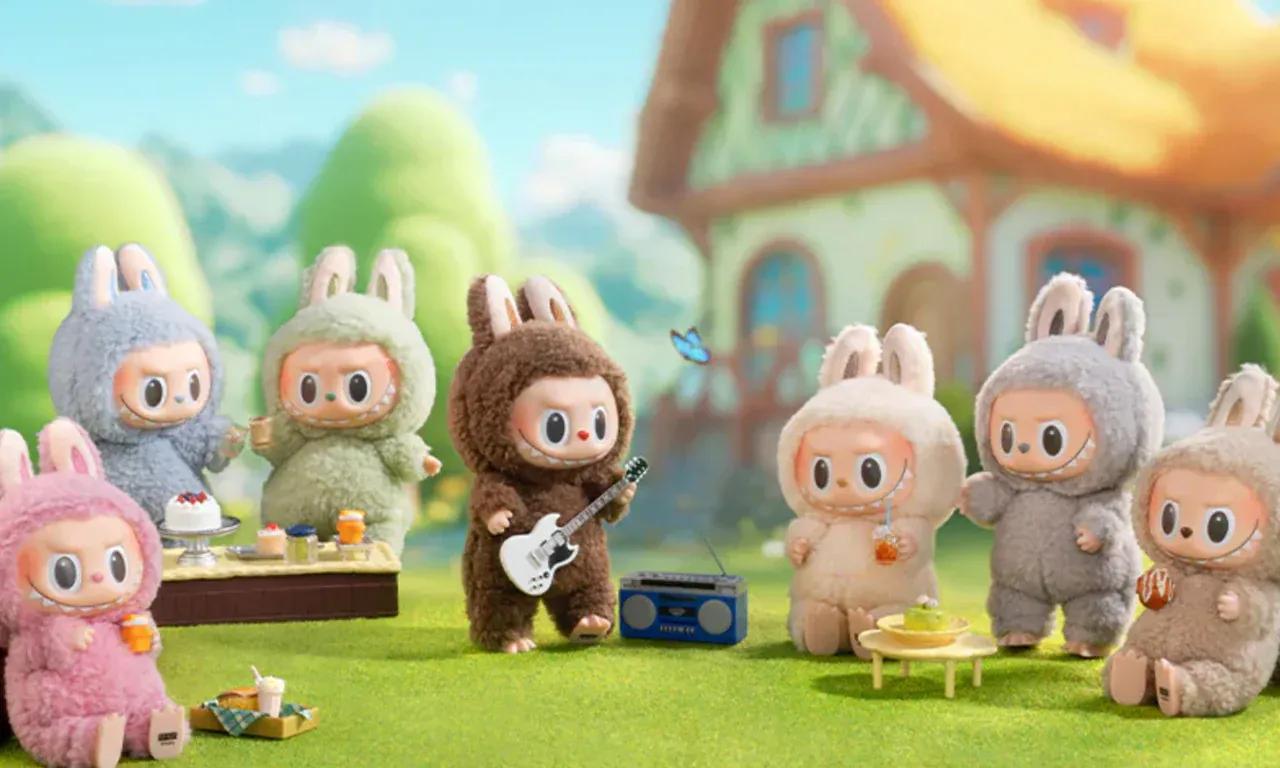
Labubu盲盒成功的核心在於它利用了「驚喜經濟」,即通過不確定結果刺激大腦的多巴胺獎勵系統。神經科學研究指出,當人預期獲得獎勵時,伏隔核(nucleus accumbens)會活躍,釋放多巴胺,產生快感(Knutson et al., 2001)。每次購買後的拆盒瞬間,消費者在期待與未知中體驗強烈的愉悅感,這種即時滿足感稱為「即時獎勵」,是人們重複購買的重要心理動力。
這種「變動比率強化」(Variable Ratio Reinforcement)與賭博機制類似,隨機且不可預測的獎勵激勵消費者不斷嘗試以獲得稀有款,這在心理層面激發了類似賭博成癮的行為(Rutledge et al., 2014)。盲盒不僅是商品,更是一場心理遊戲,玩賞中包含了驚喜、冒險與期待,打造獨特的消費體驗。
Brevers, D., et al. (2013). Pathological Choice: The Neuroscience of Gambling and Addiction. Frontiers in Behavioral Neuroscience. https://doi.org/10.3389/fnbeh.2013.00105
Chen, Y., & Berger, J. (2013). The role of social identity in consumer behavior. Journal of Consumer Psychology.
Hodgins, D. C., & Holub, A. (2015). Treatment of problem gambling: Current status and future directions. Psychology of Addictive Behaviors. https://doi.org/10.1037/adb0000037
Knutson, B., Adams, C. M., Fong, G. W., & Hommer, D. (2001). Anticipation of increasing monetary reward selectively recruits nucleus accumbens. Journal of Neuroscience, 21(16), RC159.
Langer, E. J. (1975). The illusion of control. Journal of Personality and Social Psychology, 32(2), 311-328.
Rutledge, R. B., et al. (2014). Dopamine, reward, and anticipation in decision-making. Nature Neuroscience, 17, 659–666.
Williams, R. J., West, B. L., & Simpson, R. I. (2012). Prevention of problem gambling: A comprehensive review of the evidence. Journal of Gambling Studies, 28(1), 99-187.